About Commercial Roofing Abilene
Commercial roofing for Abilene property owners, managers and facility teams.
A roof proposal should explain what failed, what the inspection confirmed, and where the work stops. Commercial Roofing Abilene works on low-slope and metal commercial roofs through inspection, repair, replacement, recover, restoration, coating, and maintenance. We also provide drone and infrared moisture surveys, written condition reports with photographs, preventive programs, and insurance claim documentation. The process begins with the building and the asset question. We do not select a repair based on a ceiling stain or assume that two roofs in the same market use the same assembly.
How We Work
Work across different Abilene properties
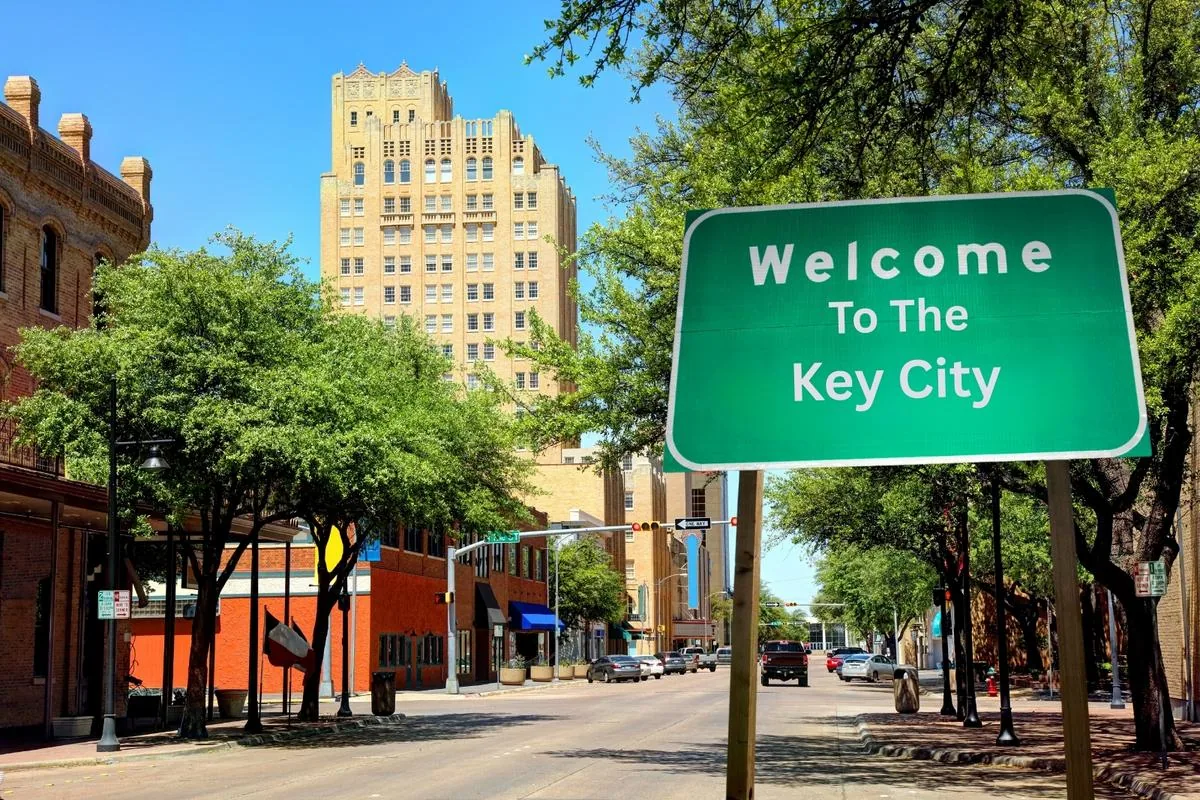
Abilene has industrial and distribution activity at Five Points Business Park and airport-side sites, healthcare facilities around Hendrick Medical Center, several colleges and technical campuses, military infrastructure at Dyess, and a downtown mix of offices, retail, civic, and event uses. These settings call for different access and operating plans. An industrial roof may need staging and production coordination; a medical facility can require controlled routes and interior protection; a university may have class schedules; a public-facing venue may need its event calendar considered. The owner identifies the actual limits, and the work sequence follows them.
Local context informs inspection without replacing it. In 2024, one day reached 113°F, and Abilene had 40 days at 100°F or higher. Heat can stress exposed laps and sealants, but the temperature history cannot establish a roof failure. The April 2011 outbreak brought hail across southern Abilene, tornado touchdowns near Potosi, and intense rainfall at the airport. Those events can guide a post-storm checklist. A current finding still requires present conditions, dated records, and a roof-zone label. The Five Points area, Hendrick campus, and downtown properties have separate owners and records.
Find the failure path before choosing work
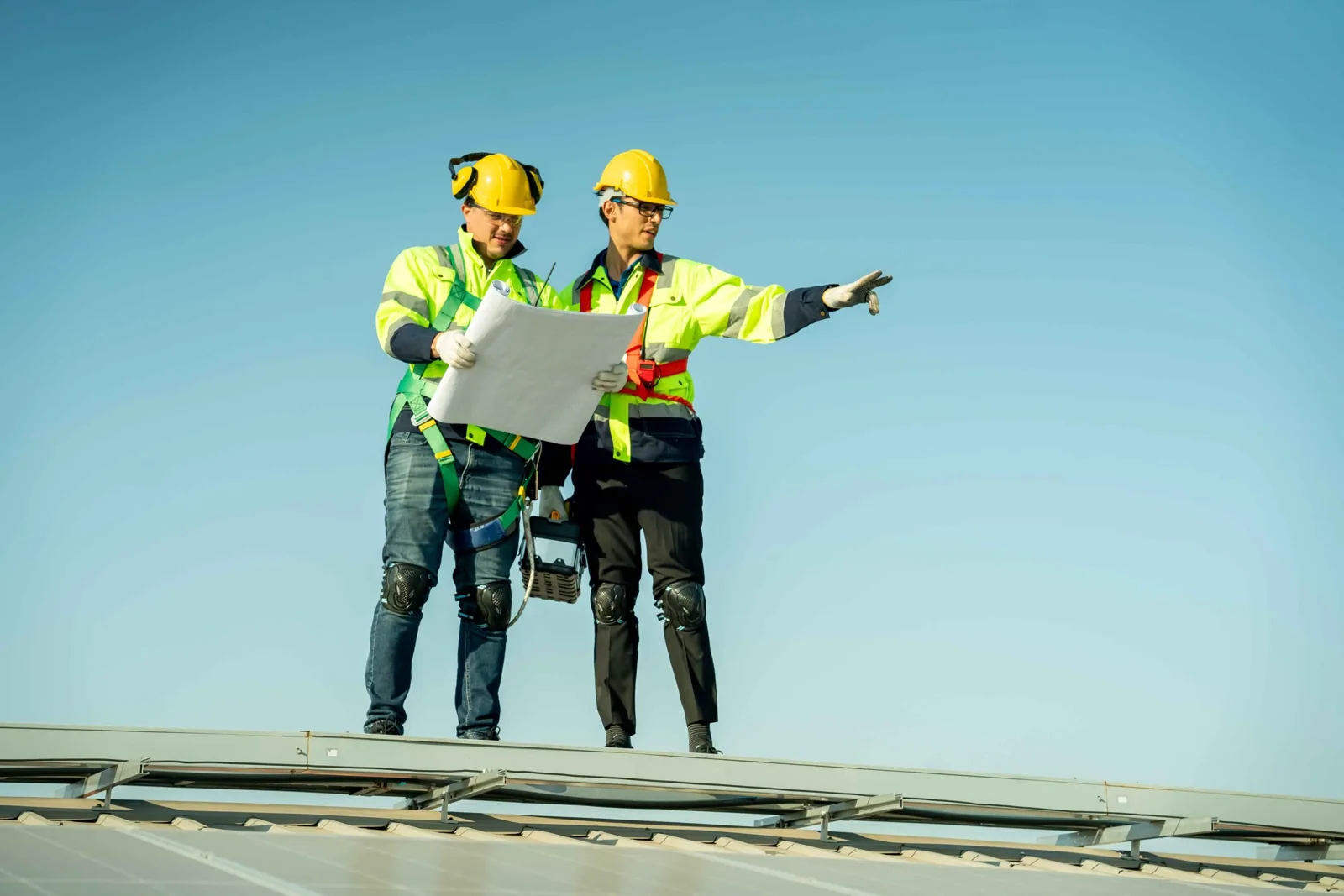
We begin with the address, building name, roof plan, reported room or process area, date, and leak history. On the roof, inspect accessible seams, flashings, curbs, penetrations, drainage low points, edge metal, and prior repairs. Water may move through insulation or along the deck before appearing indoors, so an interior stain is a starting point rather than a diagnosis. The report identifies what was observed, where access ended, and which assumptions remain unverified.
When concealed moisture or layer count could change the scope, a test cut or infrared moisture survey may help answer a defined question. Agree on the test location, temporary protection, and restoration before opening the assembly. A commercial roof inspection can document photographs, conditions, and next steps by roof zone. We keep the observed fact separate from the explanation still being tested so an owner can decide whether the evidence supports immediate work or more investigation.
Contain active water, then define the permanent scope
For a confirmed defect in a known assembly, a commercial roof repair can address a bounded area. The written scope identifies preparation, compatible material, repair limits, protection below, and close-in review. If removal reveals wet insulation, damaged deck, or a second layer, stop at the agreed boundary, photograph the condition, and obtain direction before expanding. An emergency patch is recorded as temporary when it is temporary, with a follow-up date for permanent work.
Emergency calls do not follow a weekday calendar. An emergency roof response begins with the reported condition, site access, and safe work window. A prompt dispatch can protect an interior, but access, weather, safety, and the condition of the assembly still govern what can be completed on that visit. After the opening is contained, the owner receives the findings and the next decision: return for a permanent repair, test a larger area, or prepare a capital scope. We document the limit of what the emergency visit could inspect and do not describe an unverified condition as resolved.
Compare repair, recover and replacement
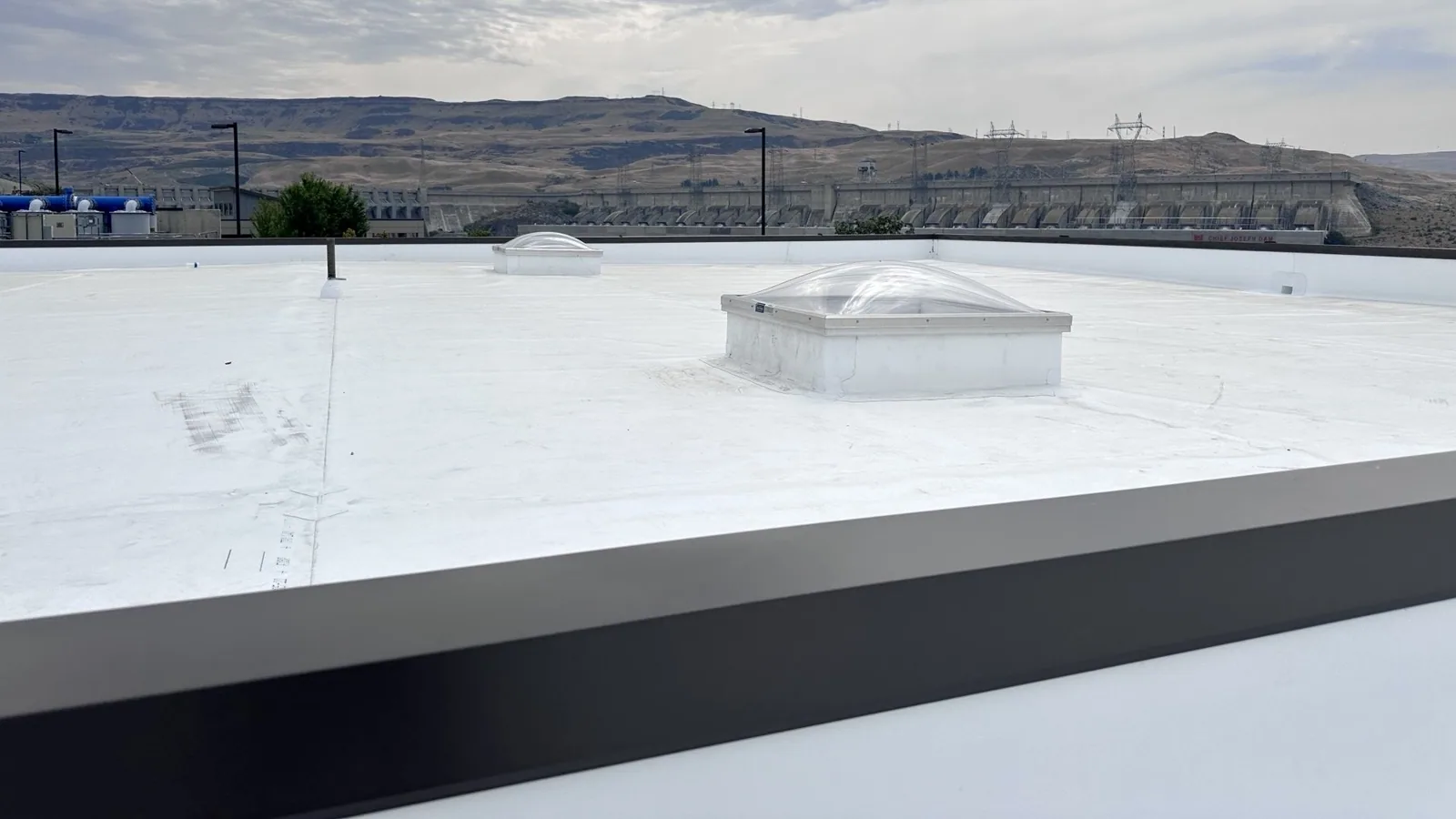
A roof can need attention without requiring immediate replacement. The choice depends on leak pattern, moisture extent, attachment, deck condition, drainage, existing layers, compatibility, access, and the owner’s timing. A recover evaluation checks whether the existing assembly can remain in place and support the proposed work. A replacement plan accounts for removal, disposal, staging, protection below, material delivery, and a weather-dependent close-in. The proposal distinguishes measured quantities from allowances for concealed conditions.
We work on TPO, PVC, EPDM, KEE, modified bitumen, built-up, standing-seam metal, retrofit metal, spray foam, silicone, and acrylic coating systems. The installed product and details must be confirmed before choosing materials. Coatings require suitable surface preparation and repairs; a new membrane requires compatible tie-ins and secure terminations. If existing plans conflict with field observations, resolve the discrepancy before pricing permanent work. The owner sees the options and what evidence supports each one, rather than a single recommendation with its assumptions hidden.
Keep condition history useful between projects
Preventive maintenance can identify blocked drains, open seams, failing sealants, damaged edges, and older patches before a leak interrupts operations. A maintenance program records what was checked, what needs repair, and when to return. The cadence should follow the assembly, occupancy, observed condition, and the owner’s requirements. A report is most useful when it keeps photographs, roof-zone names, prior scopes, and follow-up actions together.
For owners with multiple buildings, roof asset management can organize the records and capital planning can place verified work into a budget cycle. Condition reports preserve the observation behind a recommendation. One property’s age, material, or access restrictions should not be copied to another. Five Points, the Abilene Regional Airport, Hendrick Health, and Downtown Abilene are different settings. The property list and owner’s identifiers let us keep each finding attached to the correct roof.
Make the site question clear before mobilization
We ask for the roof plan, leak history, previous proposals, access procedure, operating calendar, and decision date. Name the person who can release access, approve a test, authorize added work, and accept close-in. If the building is occupied, identify the areas below the work zone and any restrictions on noise, deliveries, or temporary closure. If records are missing, state what needs verification instead of filling the gap with a guess.
Abilene’s code office publishes a local amendment package for the 2021 International Building Code, alongside adopted energy and existing-building standards. A project team confirms which edition, amendments, and authority apply to the specific property and scope. Roofing recommendations do not replace code design or structural review where those are required. We document the roof conditions within the inspection boundary and flag questions that need another professional or owner decision. That leaves a usable record for the work that follows.
Start with the building and decision date
Send the property address, building label, roof plan, leak reports, prior work, and access contact. Include the operating window and the date when a repair, test, or capital decision is needed. We will define the inspection area, document what is confirmed, and explain which evidence would change the recommendation. When the request involves multiple buildings, provide the asset list so each roof receives its own record.
Our work is intended to give owners a clear next step: contain an active leak, repair a verified defect, test concealed conditions, or plan a larger project. Abilene’s heat, storm history, industrial sites, campuses, and public-facing buildings create different inspection questions. The assembly and site control the answer. We put the condition, scope, access needs, and open questions in writing so the decision can be reviewed against the evidence.
Frequently Asked Questions
What should I provide before a commercial roof inspection?
Send the building address, roof plan, leak history, prior scopes, access procedure, operating limits, and the person who can approve work.
Do you inspect every roof system listed here?
We work with the listed commercial assemblies. The installed system and product must be verified before selecting repair materials or setting a permanent scope.
What moves a repair recommendation toward replacement?
Broader moisture, deck damage, repeated failures, or unsuitable attachment can change the scope. Inspection and testing define the boundary.
How do you separate a temporary patch from a repair?
The record identifies material, roof zone, date, and return condition. Permanent work receives a separate scope and closeout.
Set the inspection around your asset question
Provide the property address, roof plans, service records, access rules, operating schedule, and decision date. We will define the inspection boundary and report findings by roof zone.
Contact Us About Your Commercial Roof
Send the building address and what you are seeing on the roof. We will call you back to set up a roof assessment.