
Roof Damage Repair in Abilene, TX
Send the building address, leak or storm date, interior report, roof plan, and access contact. We will record visible evidence, repair limits, and any test needed before expanding the scope.
Roof Damage Repair
A storm date or ceiling stain does not establish the roof failure. We identify the reported building and zone, inspect the accessible assembly, and document what evidence supports a repair. Abilene’s weather record includes extreme heat, hail, tornadoes, and intense rainfall. The 2011 outbreak damaged roofs across southern parts of the city, but it does not prove damage at another property. A property-specific inspection separates current conditions from regional history and sets the repair limit.
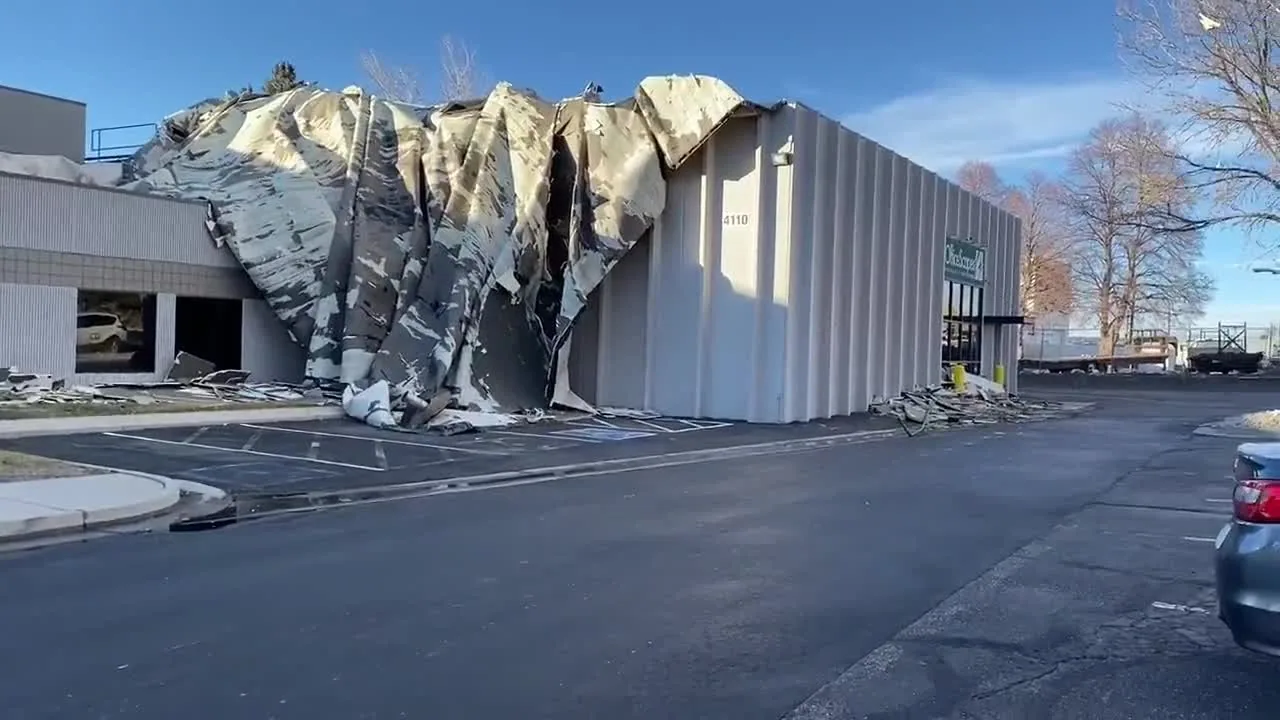
Commercial Wind Damage Roof Repair
Commercial roof inspection and wind-damage repairs in Abilene, with documented roof areas, temporary protection and repair limits.
Learn more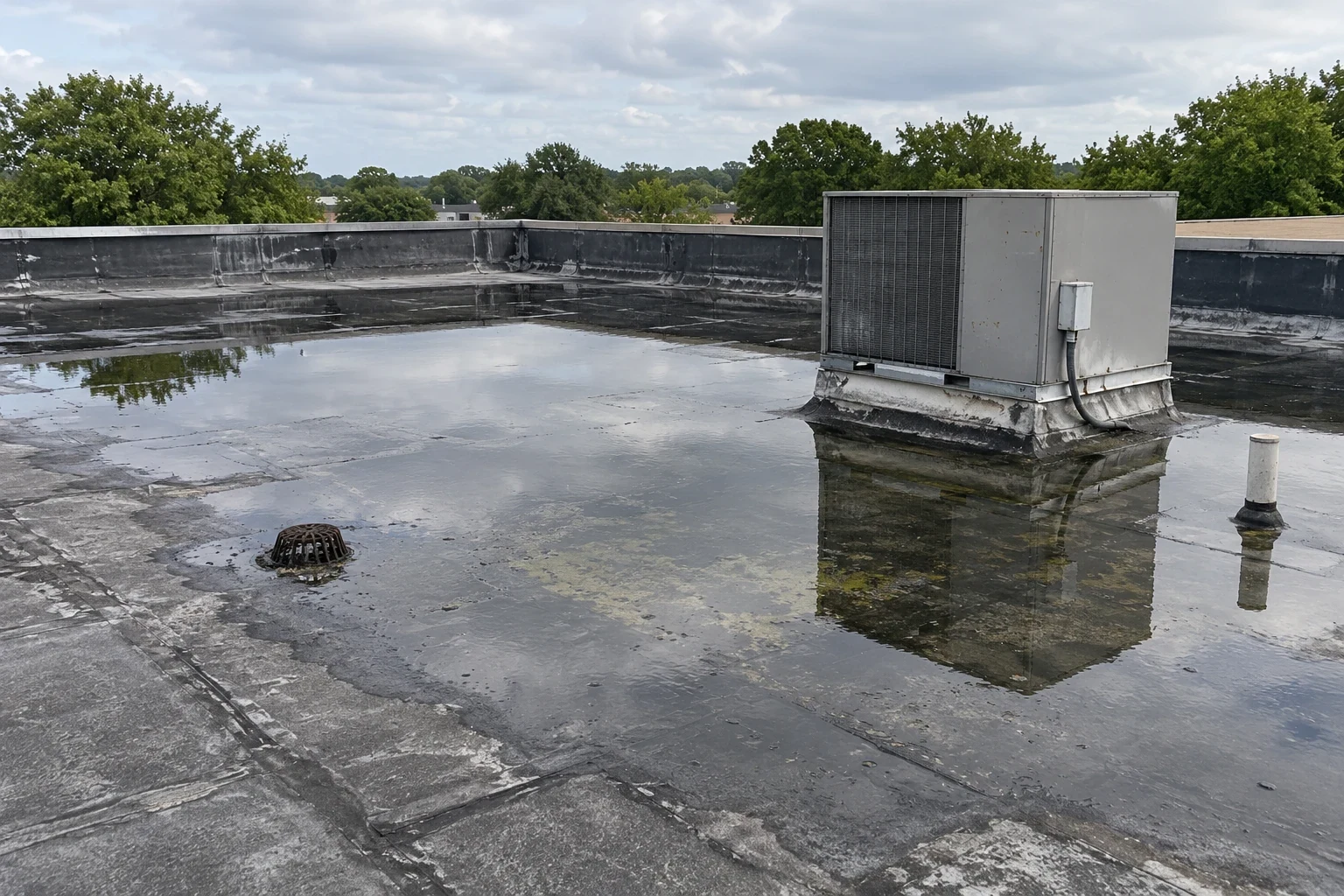
Commercial Ponding Water Roof Repair
Commercial roof inspections and drainage repairs for ponding water in Abilene, with evidence tied to the roof section and outlet path.
Learn more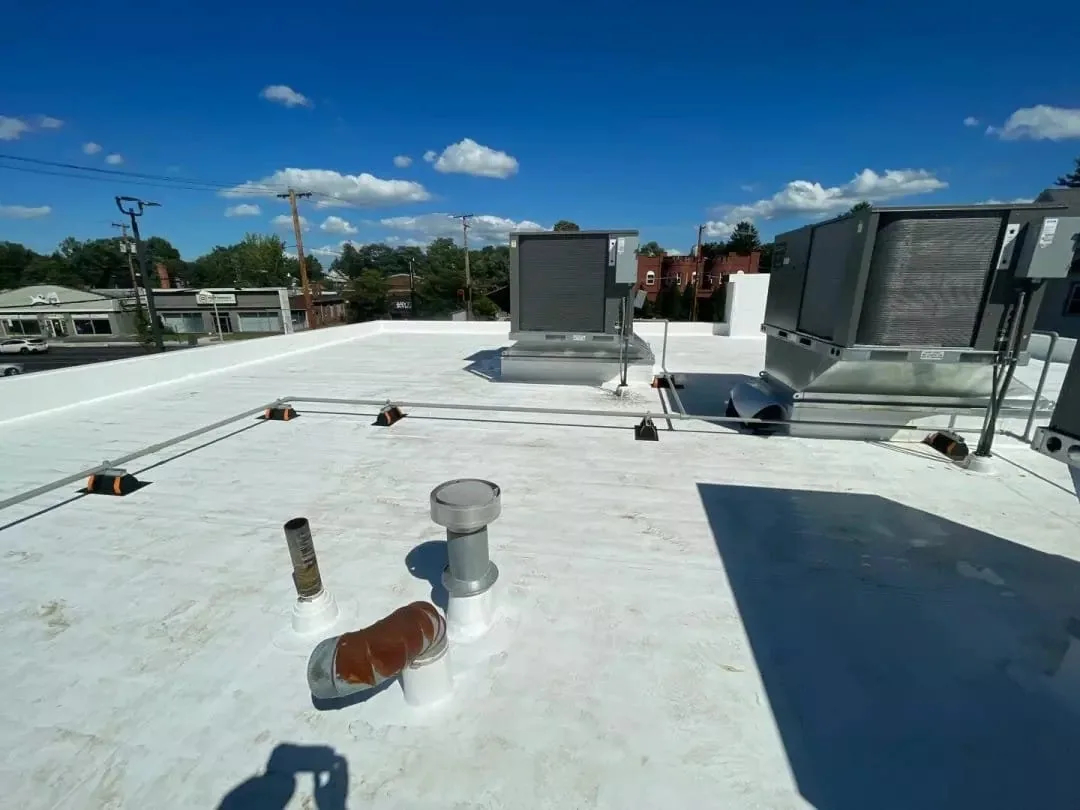
Commercial Roof Flashing Failure Repair
Commercial roof flashing inspections and repairs in Abilene, TX for curbs, walls, edges and penetrations with documented limits at local properties.
Learn more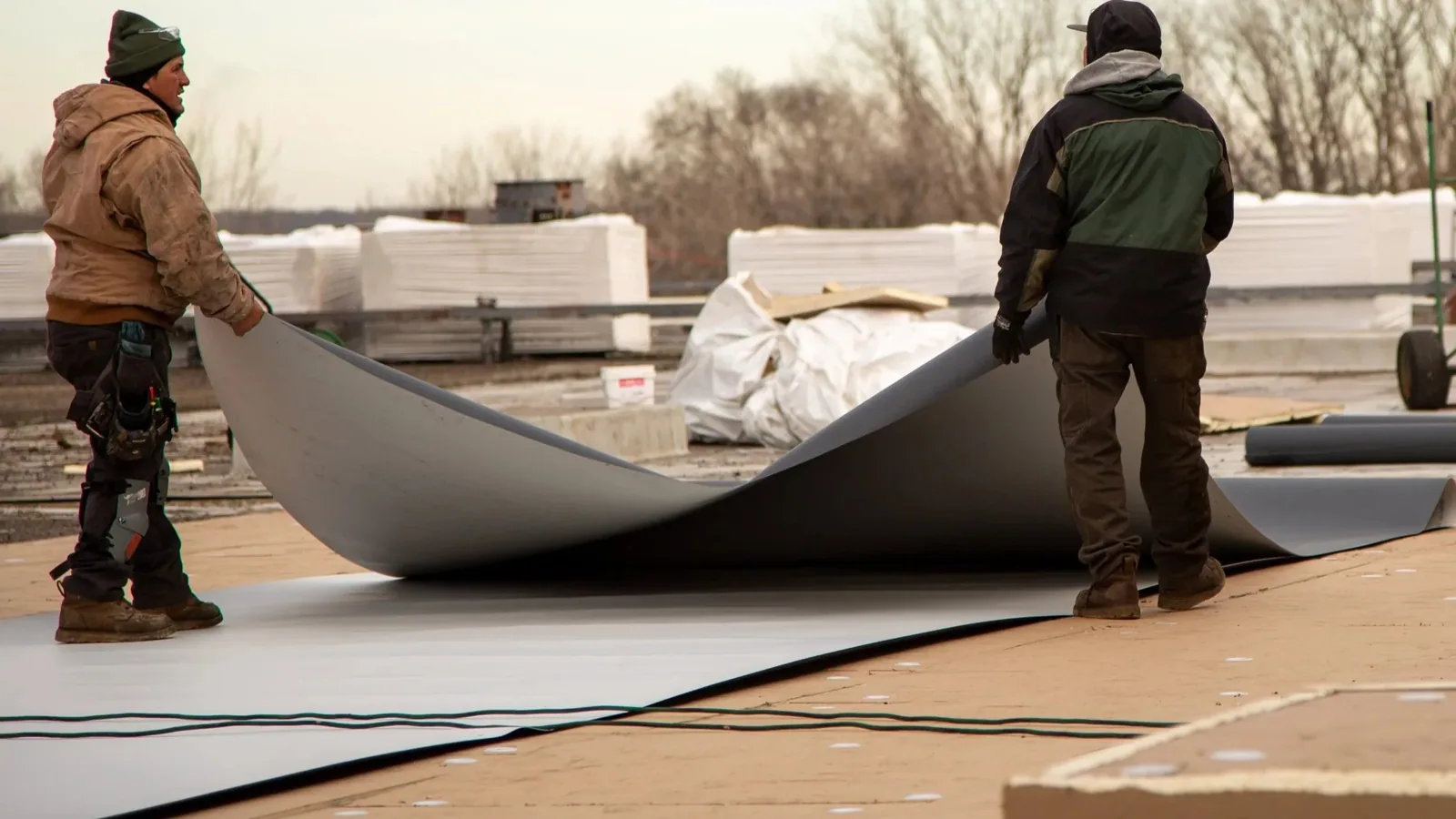
Commercial Roof Seam Failure Repair
Commercial roof inspections and seam repairs in Abilene for open laps, failed welds, adhesive loss and recurring water entry on local sites.
Learn more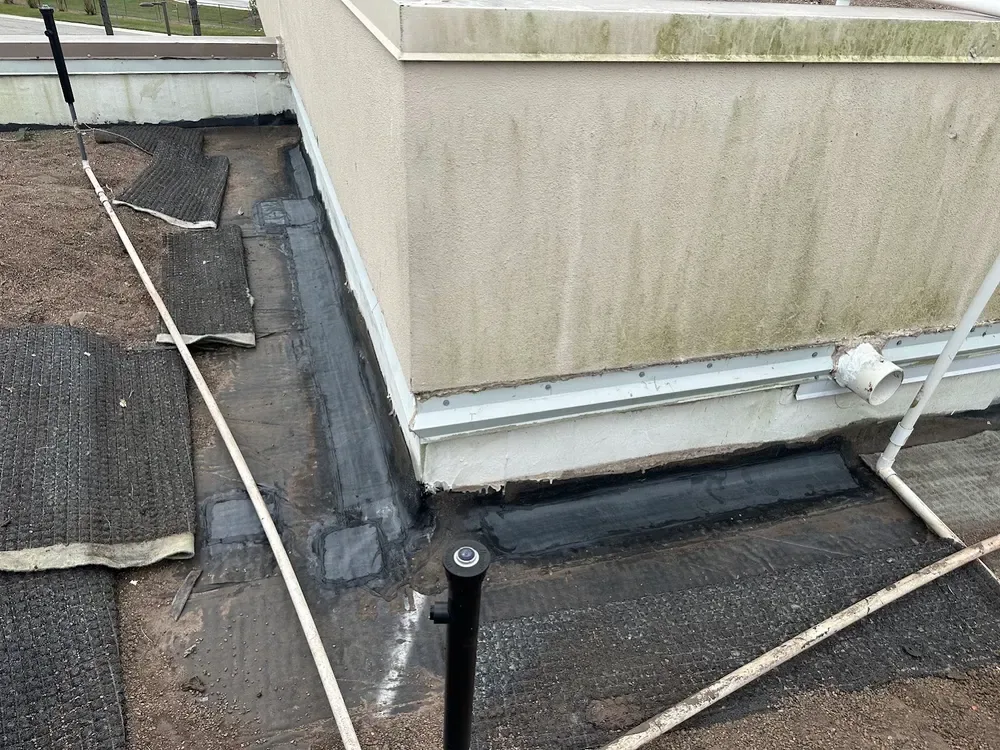
Commercial Roof Membrane Puncture Repair
Commercial roof inspection and membrane puncture repair in Abilene for cuts, punctures and damage near equipment or service paths.
Learn more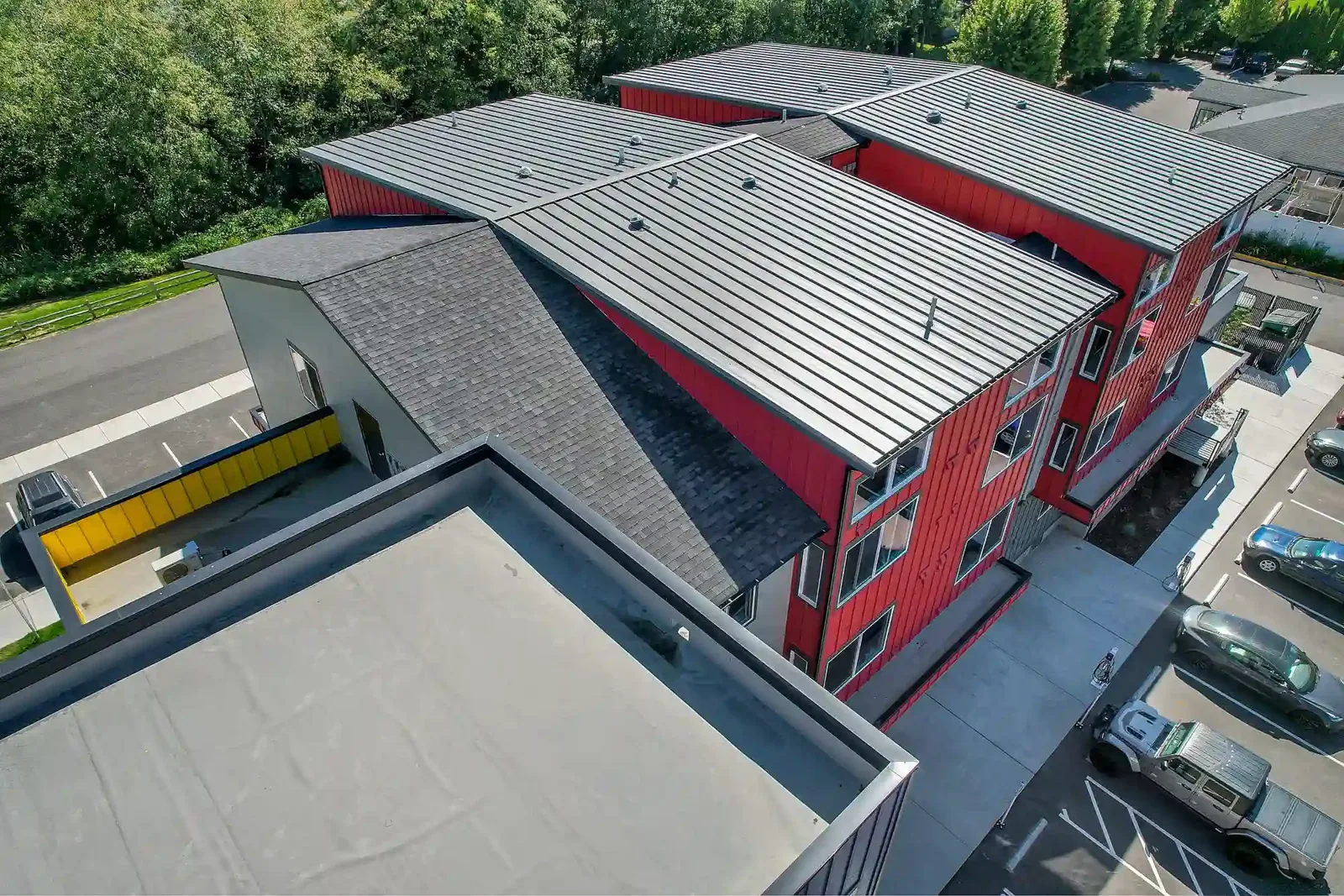
Commercial Fire Damage Roof Repair
Commercial roof assessment and repair after fire in Abilene, with documented openings, affected assemblies and coordination limits.
Learn more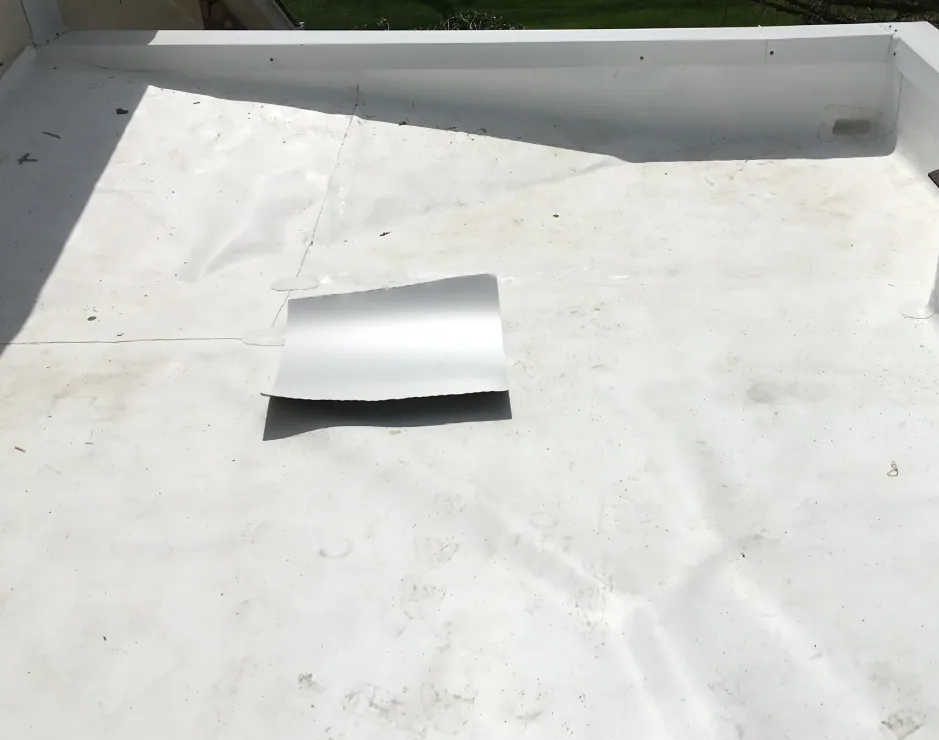
Commercial Hail Damage Roof Repair
Commercial roof inspection and hail-damage repair in Abilene, with photos, affected-area limits and documented follow-up for local properties.
Learn more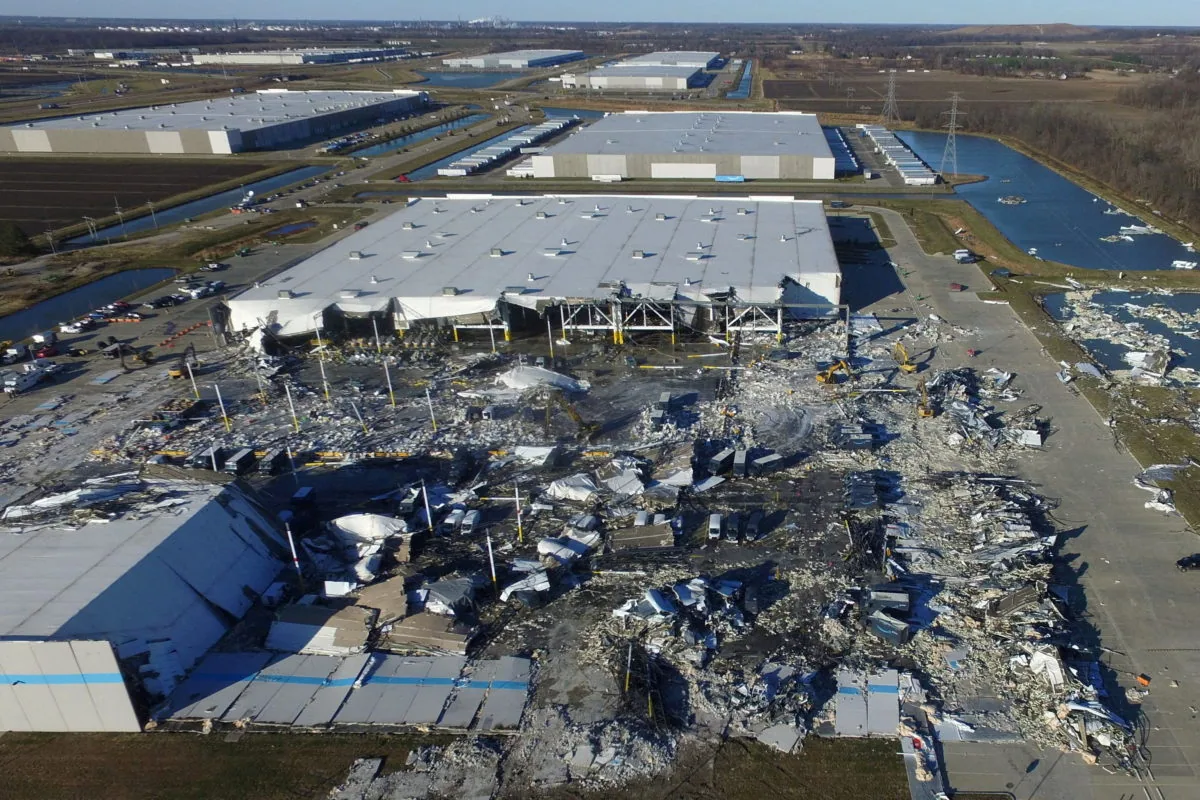
Commercial Tornado Damage Roof Repair
Commercial roof assessment and repair after tornado damage near Abilene, with access limits, temporary protection and a documented scope.
Learn more
Commercial Heat and UV Roof Damage Repair
Commercial roof inspection and repair for heat and UV-related wear in Abilene, with system-specific findings and clear scope limits.
Learn moreDocument the damaged roof zone
Send the building address, leak or storm date, interior report, roof plan, and access contact. We will record visible evidence, repair limits, and any test needed before expanding the scope.
Roof Damage Repair in Abilene
Match the inspection to the reported failure
Hail damage, wind damage, and tornado-related damage can affect seams, edges, penetrations, and rooftop equipment in different ways. Heat and UV stress may show up in exposed laps, sealants, and flashing. Ponding water, a failed flashing detail, or a separated seam also require distinct evidence and repair methods. The report also records roof areas that could not be reached, the weather conditions during the visit, and whether the material was dry or wet at the inspection point. If photographs from before the event exist, compare them against current views from the same location. Keep an insurer’s requested documentation and the contractor’s observed facts together, while leaving coverage decisions to the carrier and policy terms.
We compare the interior report with roof plans, weather timing, prior patches, drains, curbs, and accessible edges. Photograph the condition and label the zone. If water or damaged material extends beneath the visible surface, a direct test or moisture survey may change the quantity. The scope states what will be removed, how the opening will be protected, and who may approve additional work if concealed damage appears. This keeps emergency containment separate from permanent correction.
Use the event record as context
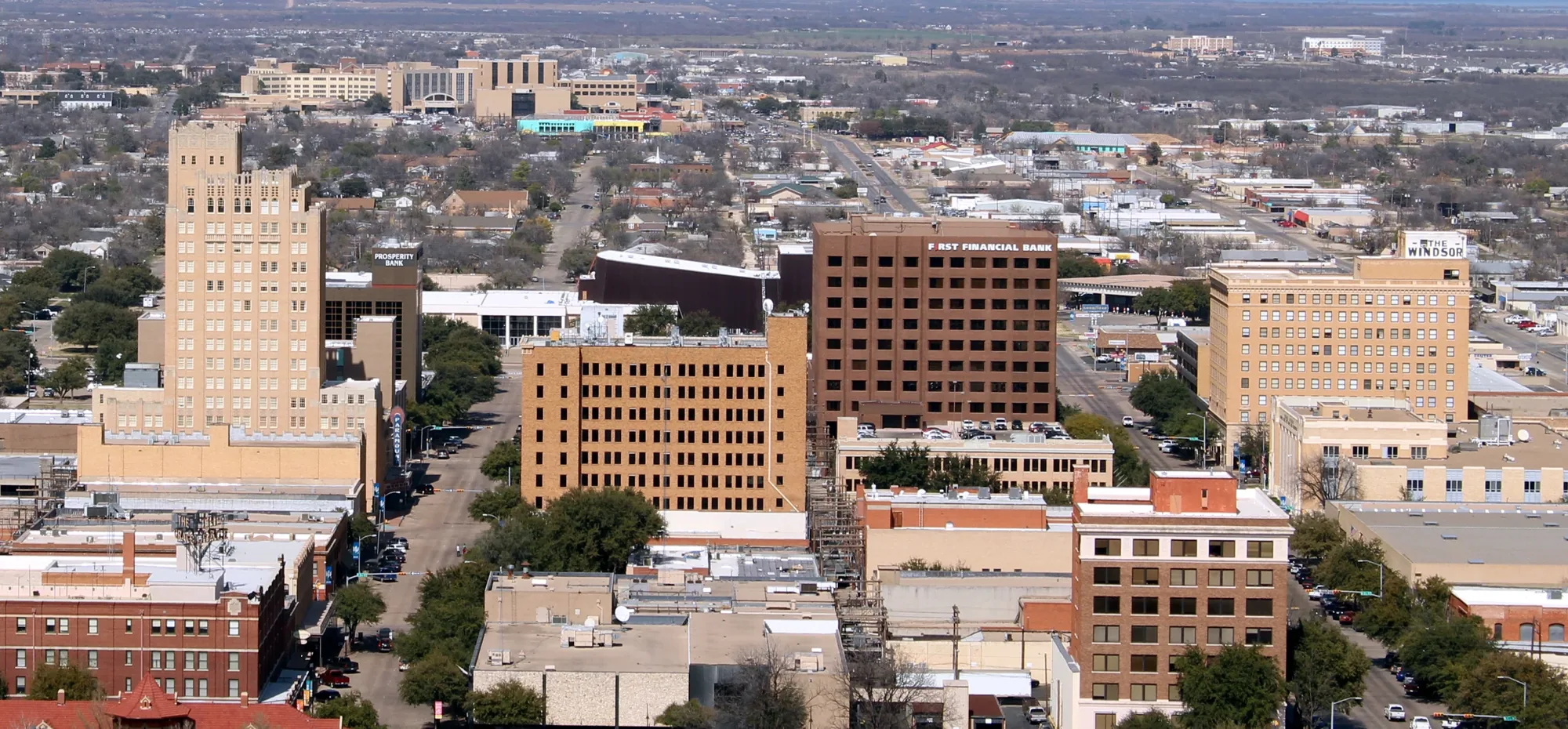
Abilene’s 2024 station log shows a 113°F peak and forty dates at 100°F or higher. That thermal history puts exposed joints on an inspection checklist; it does not support a repair by itself. The weather service’s 2011 summary traces hail through southern parts of the city, notes tornadoes near Potosi, and records an intense rain period at the airport. Five Points Business Park and the airport development area give the market distinct industrial contexts; Downtown Abilene has different access and property uses. Event history and local setting help shape an inspection, while the roof itself determines the work.
At a hospital, school, manufacturing plant, or occupied retail building, coordinate interior protection and access with the facility contact. An emergency roof assessment can document active water entry and the safe temporary-protection options. The follow-up scope should identify temporary work, photographs, remaining risk, and the date for permanent repair. For broader damage, compare repair with testing, recover, or replacement after confirming the assembly.
Inspection boundary
A damage report needs a roof-zone map, not a broad label such as storm damage. Photograph the affected detail, nearby transitions, and an undamaged comparison area where access permits. Record what could not be reached. The boundary helps separate confirmed damage from an interior report, old repair, or surface condition that needs testing before permanent work expands.
Temporary response and return
Temporary protection has its own material, date, covered area, and return condition. A patch or seal can limit exposure without confirming the full failure path. After access and surface conditions permit, inspect the surrounding assembly and write the permanent repair limit. If removal reveals wet insulation or damaged deck, stop at the agreed boundary and obtain direction.
Commercial Roofing Questions
Does a storm report prove the cause of a roof leak?
No. It identifies event history, while a current inspection and property records establish the condition and likely failure path at a specific building.
What evidence links a storm report to roof damage?
A dated report establishes timing. Roof-zone photographs, displaced material, open seams, or another observed condition support a property-specific repair scope.
Can a temporary patch close the repair file?
Only when the approved scope defines it as the permanent repair. Temporary cover needs a return condition and separate closeout.
What if the damaged area is not safe to reach?
Record the access limit and protect the building only when conditions permit. Do not describe an uninspected zone as cleared.
Get to Know Our Team
Contact Us About Your Commercial Roof
Send the building address and what you are seeing on the roof. We will call you back to set up a roof assessment.