Property Types We Roof in Abilene, TX
Provide the address, property use, roof plan, leak history, access contact, and operating limits. We will inspect the defined area and tie findings to that facility’s record.
Property Types We Roof
The same roof defect has different consequences over a warehouse, clinic, school, or occupied retail space. We start with the building use, the area below the reported condition, and the owner’s access rules, then inspect the roof assembly. Abilene’s commercial stock includes industrial and distribution sites, healthcare and education campuses, military facilities, airport buildings, and downtown offices and retail. That range makes property context important, but a category does not tell us what roof system or condition is present at a specific address.
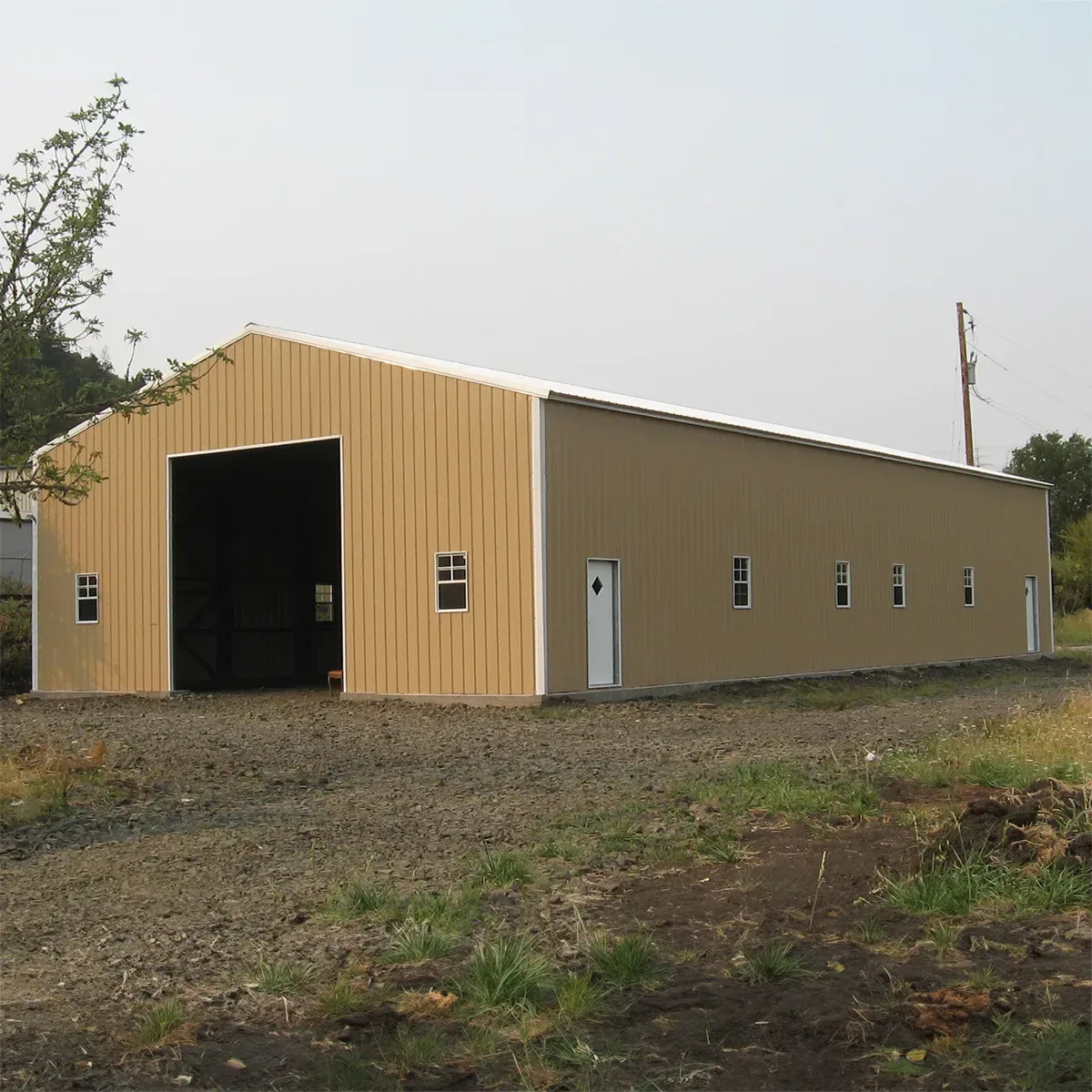
Repair, inspect, or replace Abilene warehouse roofs with a scope tied to drainage, dock operations, roof equipment, insulation, and verified condition.
Learn more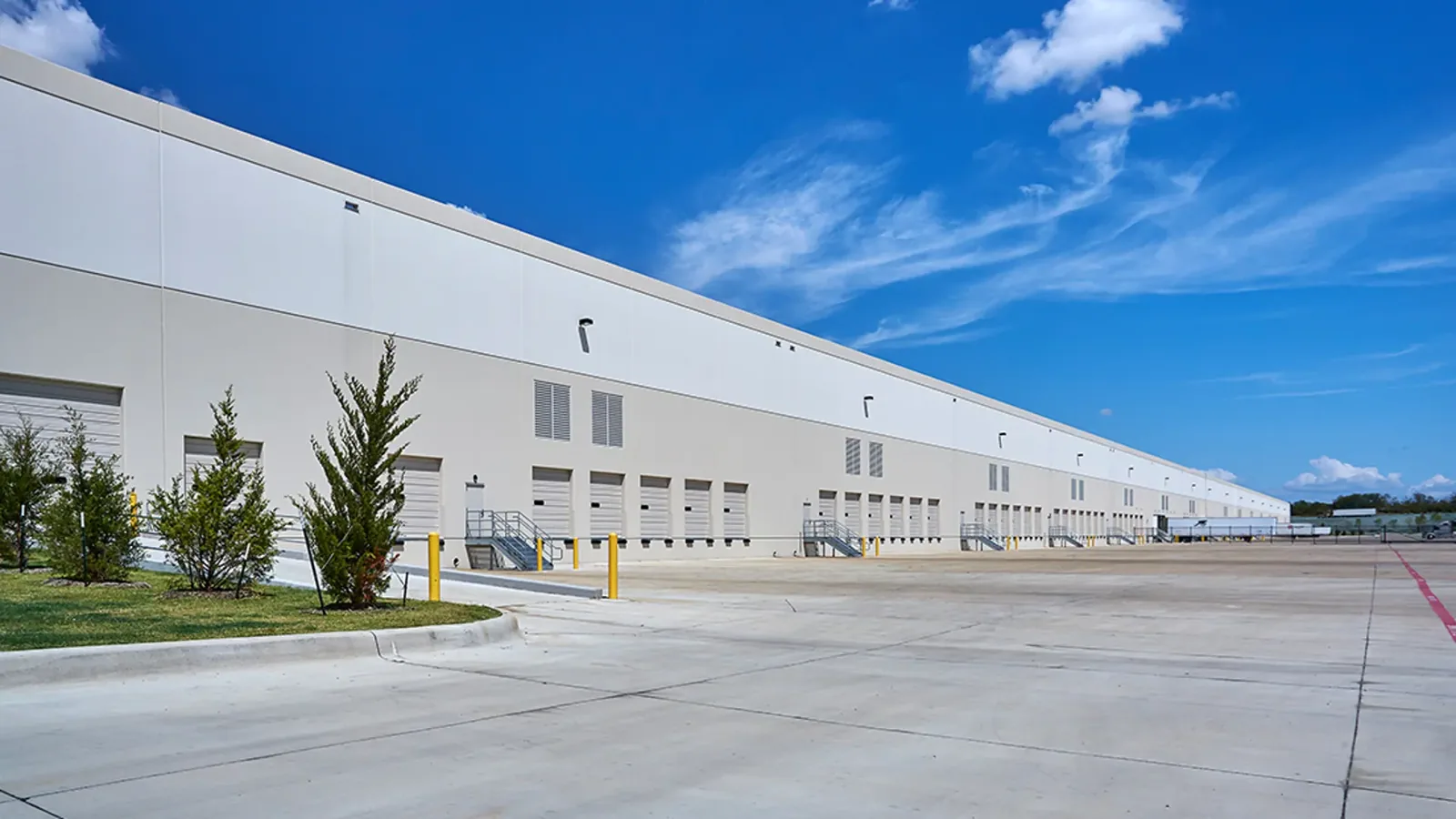
Plan commercial roofing for Abilene distribution centers with dock protection, phased close-in, drainage review, and roof findings mapped to operating zones.
Learn more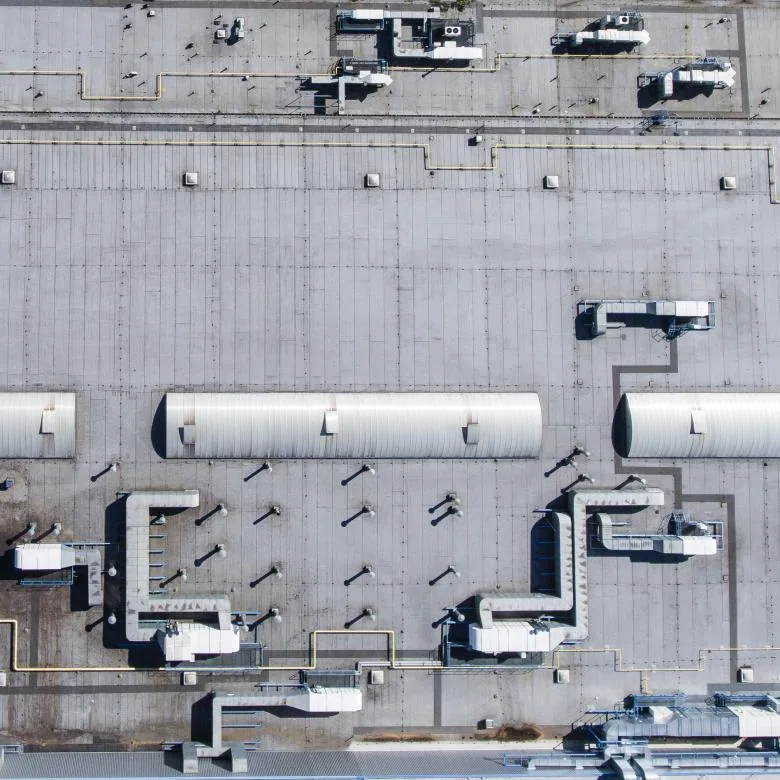
Plan Abilene manufacturing roof repairs around process equipment, exhaust, access, production schedules, weather windows, and detailed closeout records.
Learn more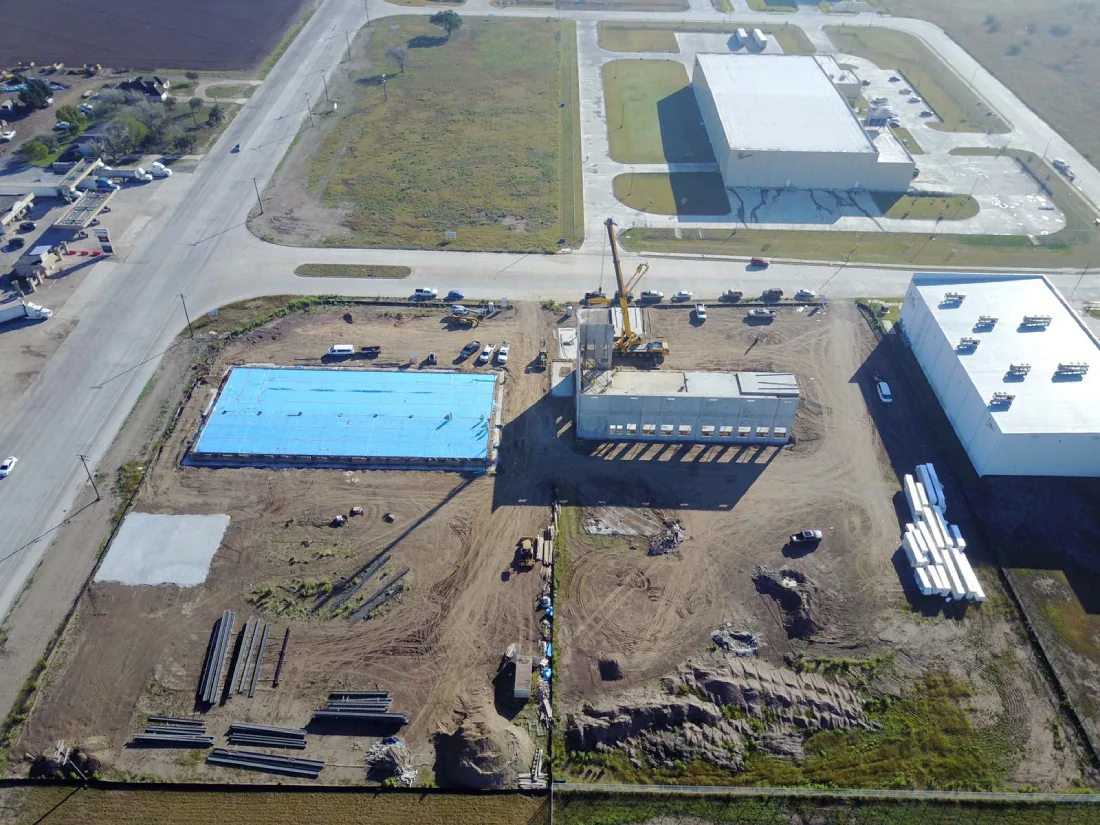
Cold Storage and Freezer Roofing
Plan Abilene cold-storage roof repairs around freezer operations, vapor control, penetrations, drainage, and safe sequencing during roof work.
Learn more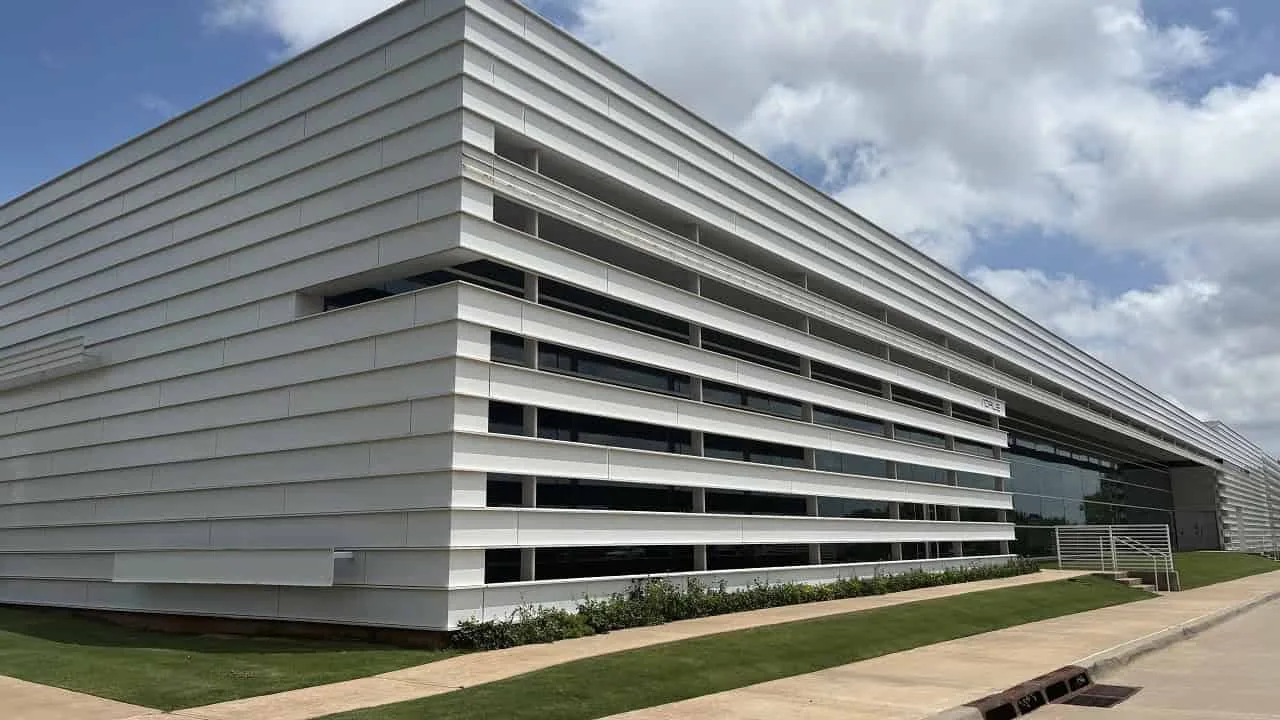
Plan data center roof inspection, repair, and replacement in Abilene around uptime, cooling equipment, penetrations, and controlled access.
Learn more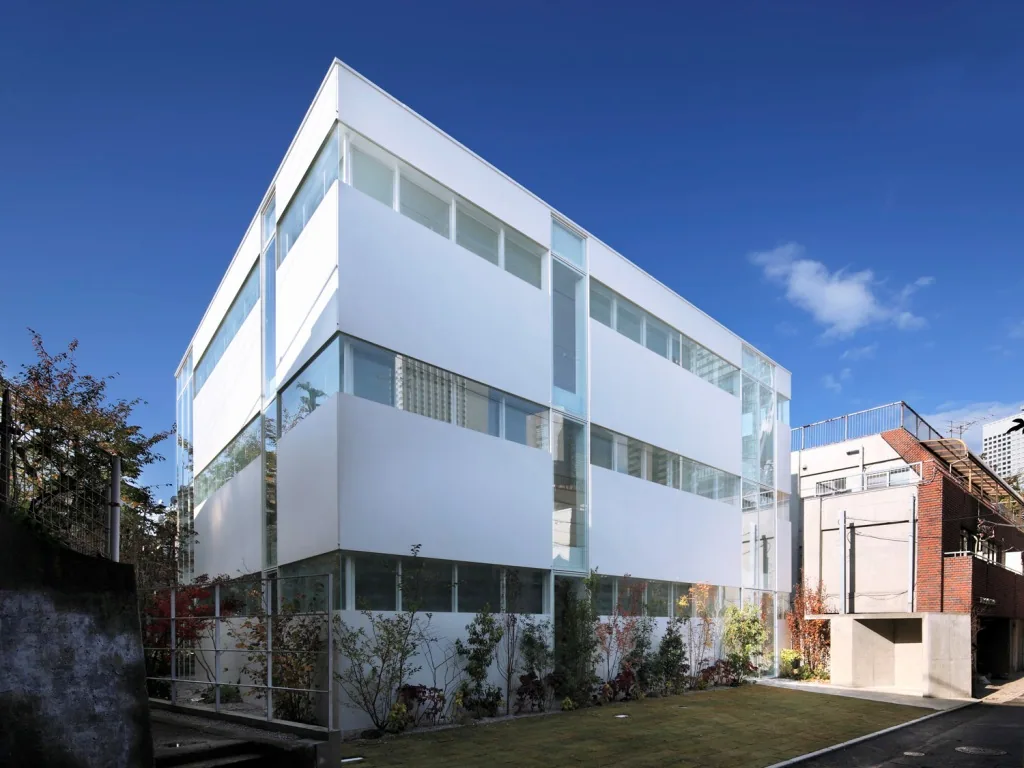
Protect Abilene office buildings with roof inspections and repairs planned around tenants, equipment, drainage, and building access.
Learn more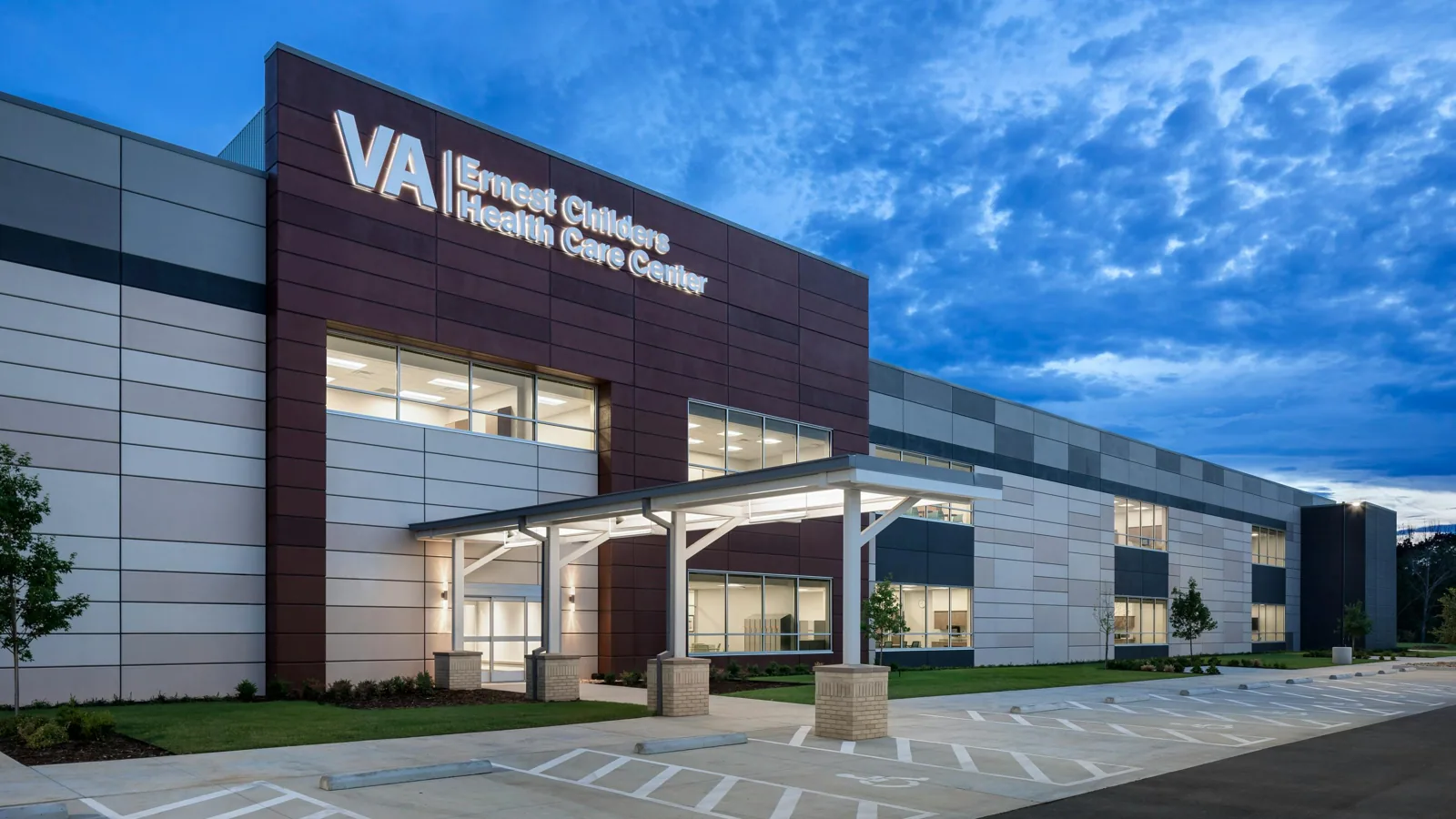
Plan Abilene medical office roof repairs around patient access, clinical schedules, site access, equipment, drainage, and interior protection.
Learn more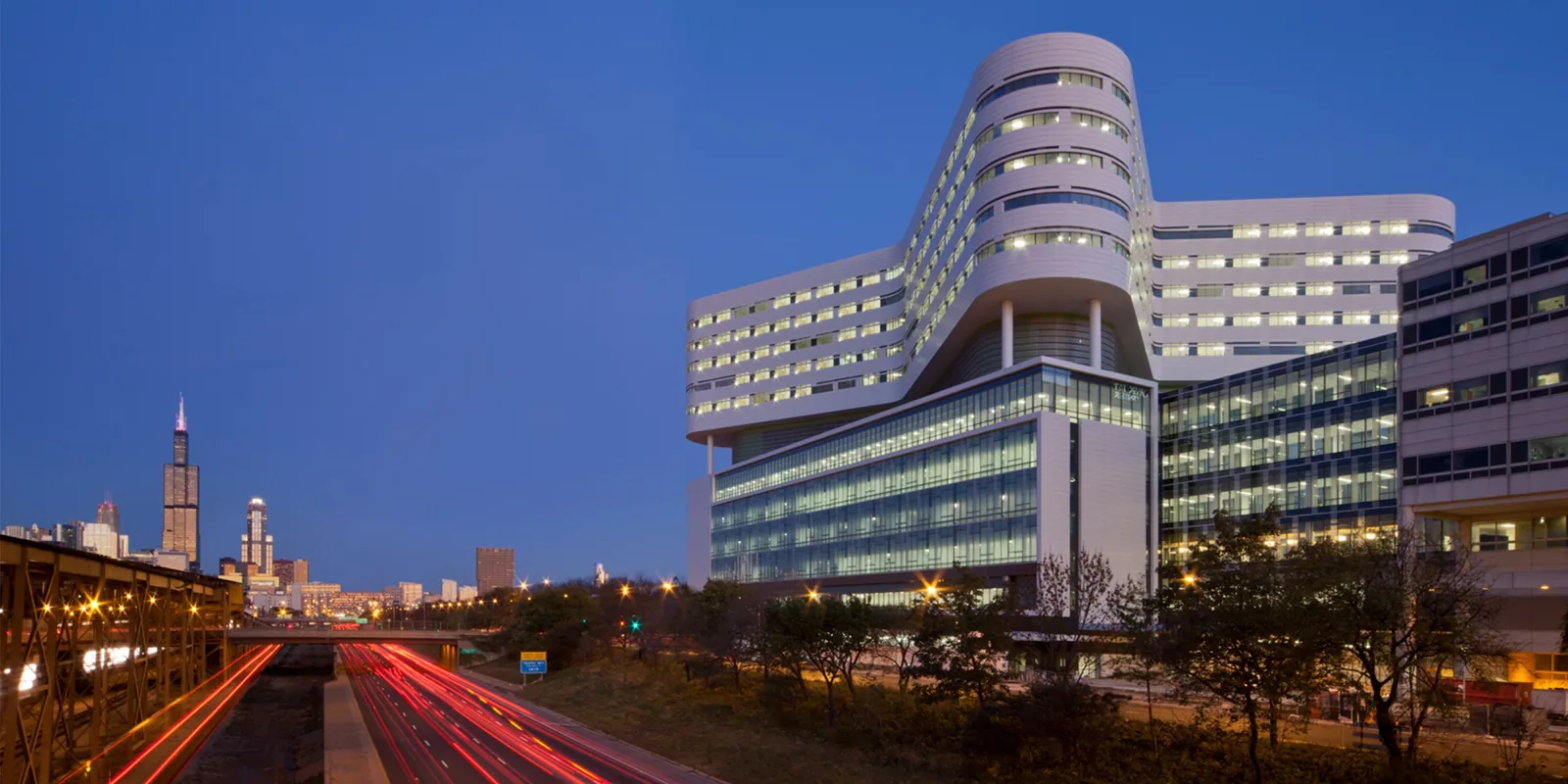
Plan Abilene hospital roof repairs around patient care, critical equipment, controlled access, drainage, and phased construction and closeout records.
Learn more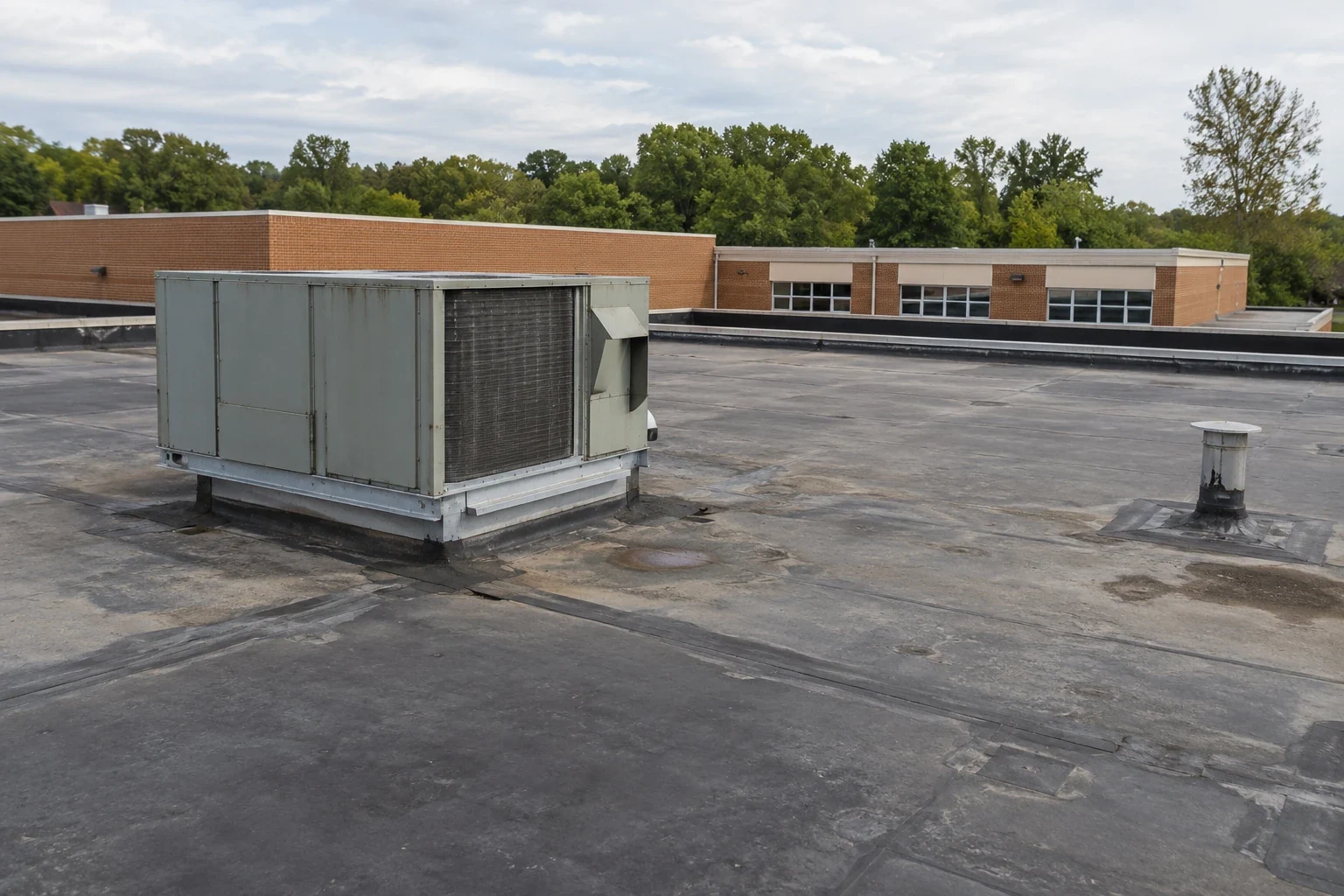
Plan Abilene school roof repairs around student safety, classroom schedules, occupied campuses, drainage, and phased close-in during school hours.
Learn more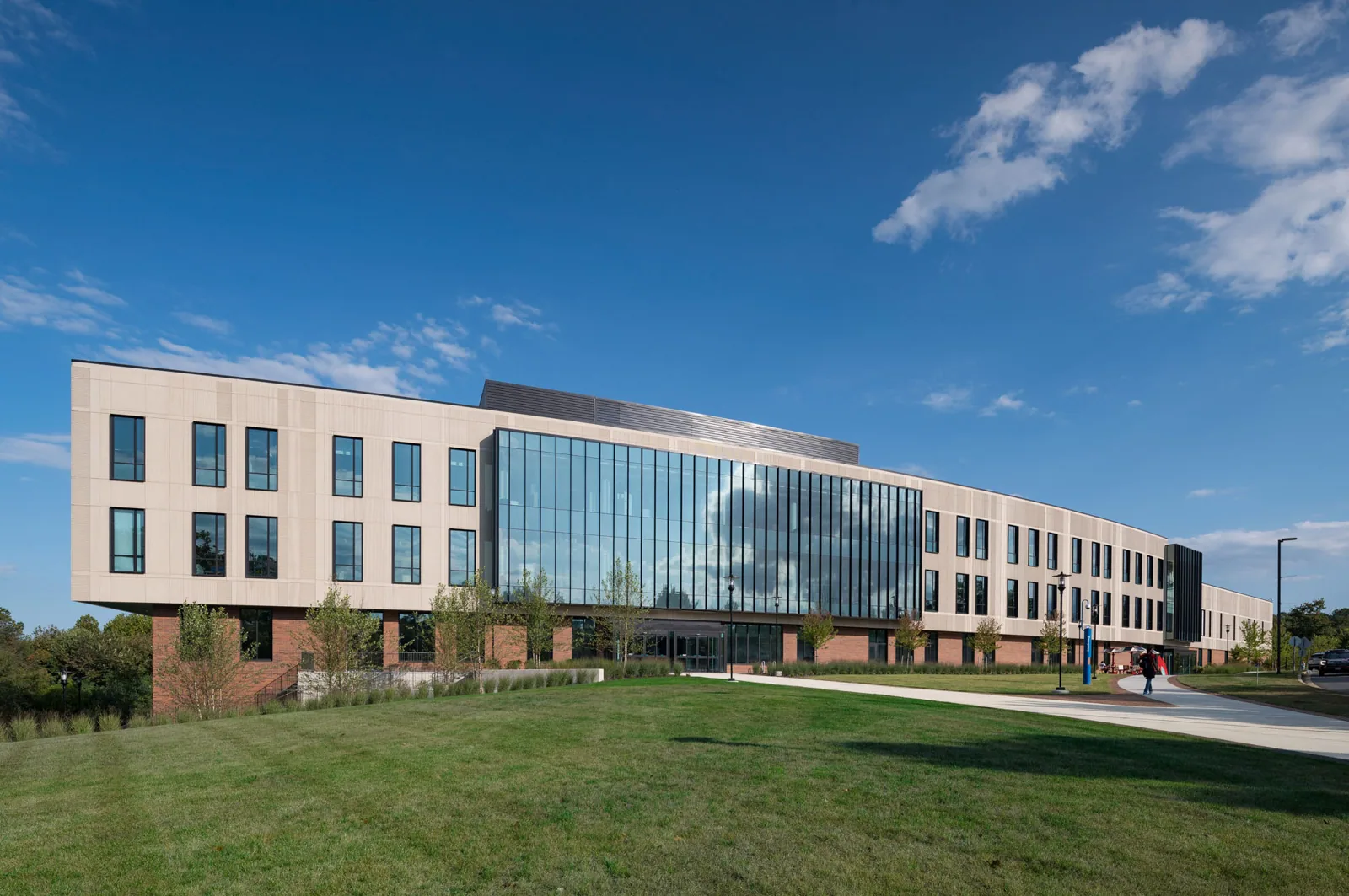
College and University Roofing
Coordinate Abilene campus roofing with class schedules, student routes, residence halls, rooftop equipment, and phased building access.
Learn more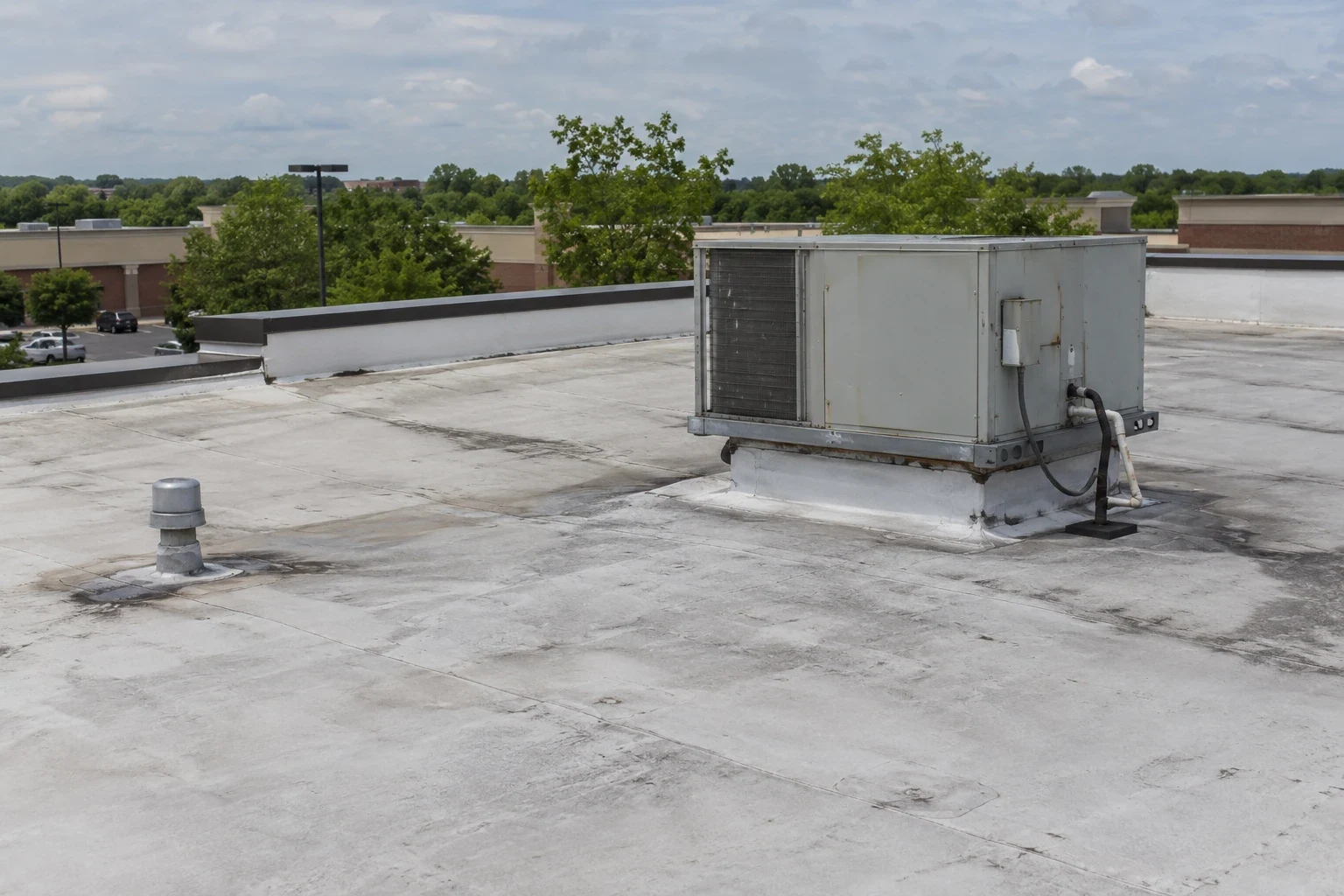
Protect Abilene shopping centers with roof repairs scheduled around tenants, customer access, storefronts, drainage, and deliveries.
Learn more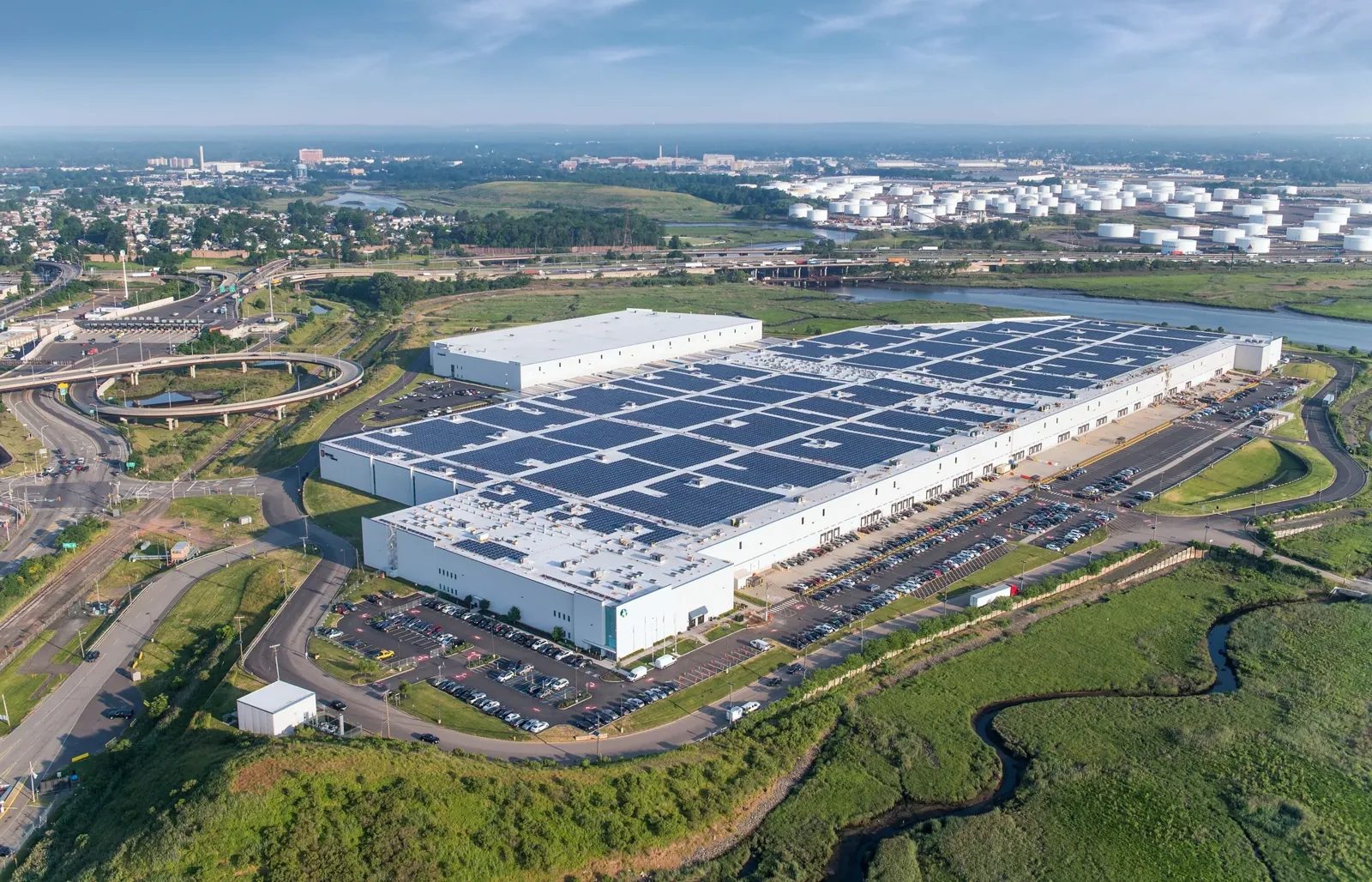
Plan Abilene big-box roof repairs around store hours, receiving, rooftop units, customer safety, drainage, and protected work zones.
Learn more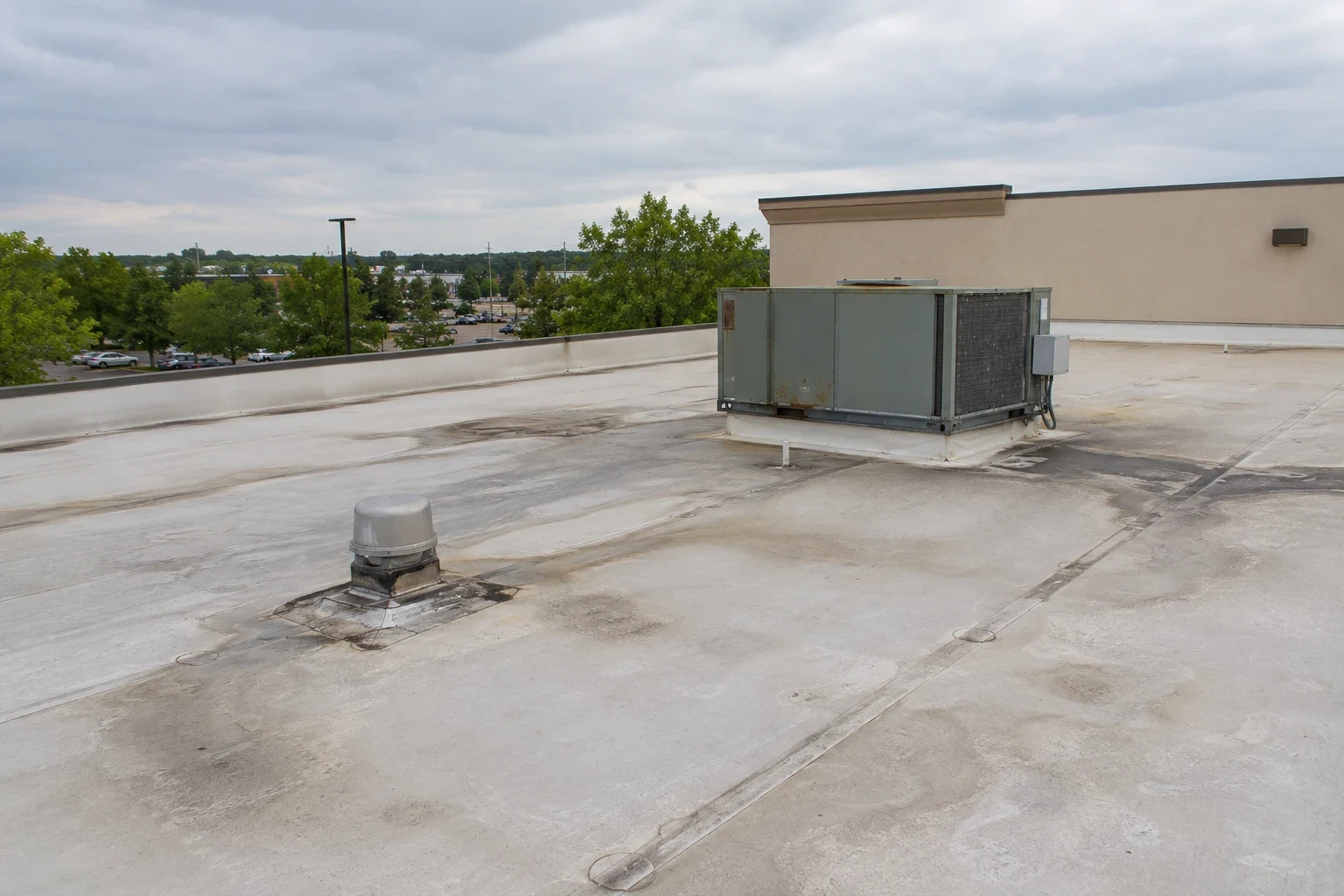
Coordinate Abilene grocery roof repairs with refrigeration zones, food protection, receiving schedules, customer routes, and drainage.
Learn more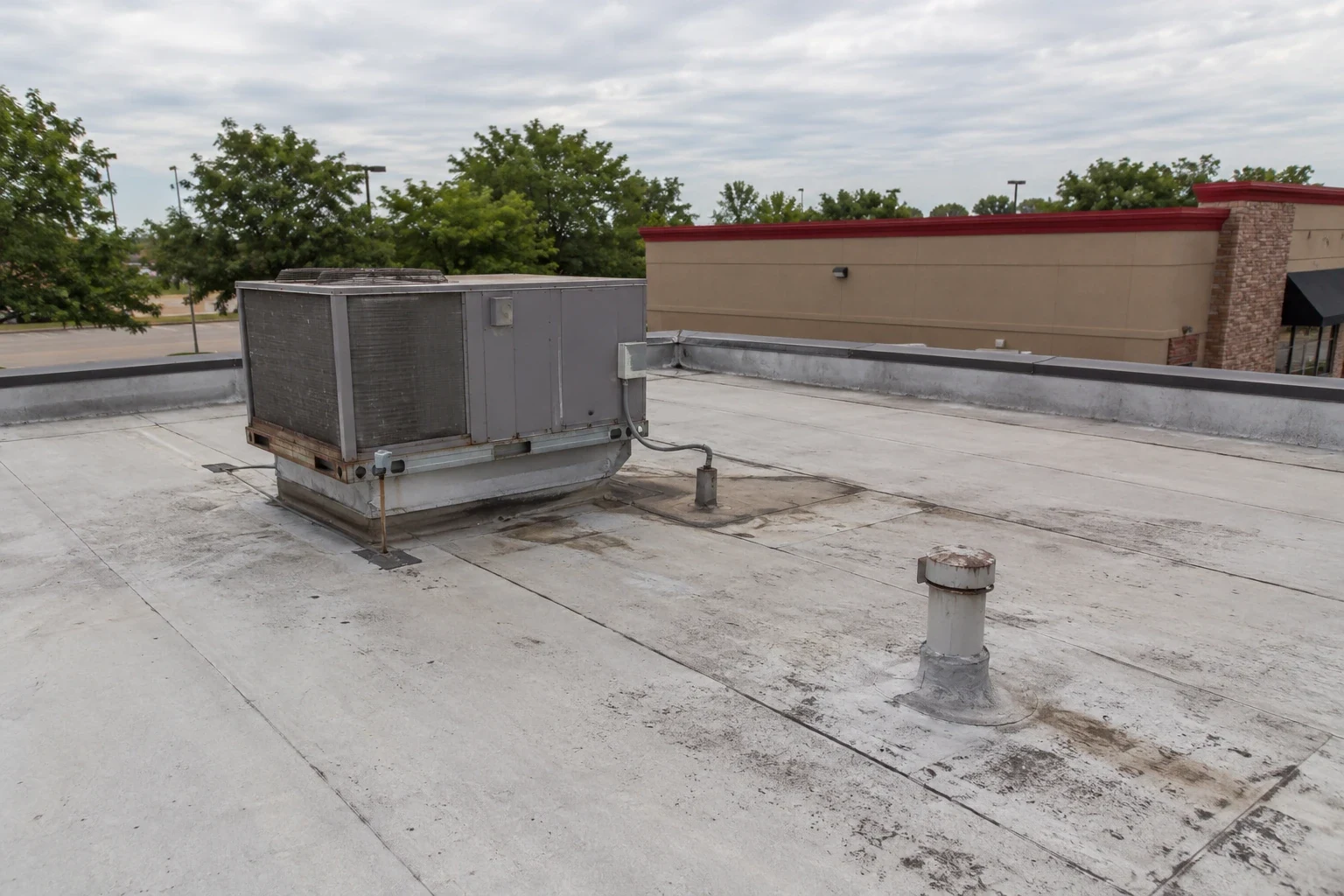
Coordinate Abilene restaurant roof repairs around kitchen exhaust, dining hours, deliveries, guest access, and interior protection.
Learn more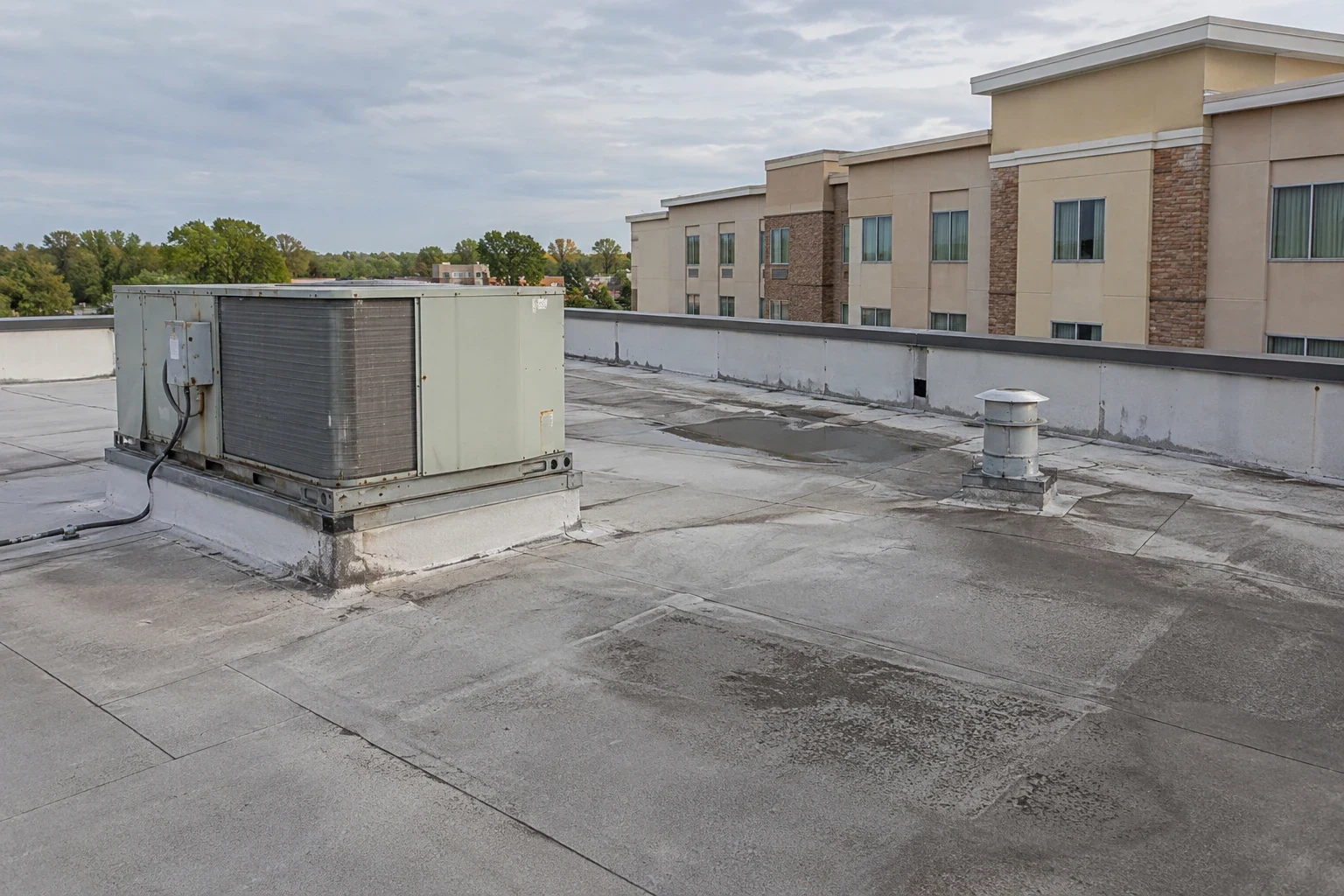
Plan Abilene hotel roof repairs around guest rooms, event schedules, HVAC equipment, loading access, and a secure end-of-shift closeout.
Learn more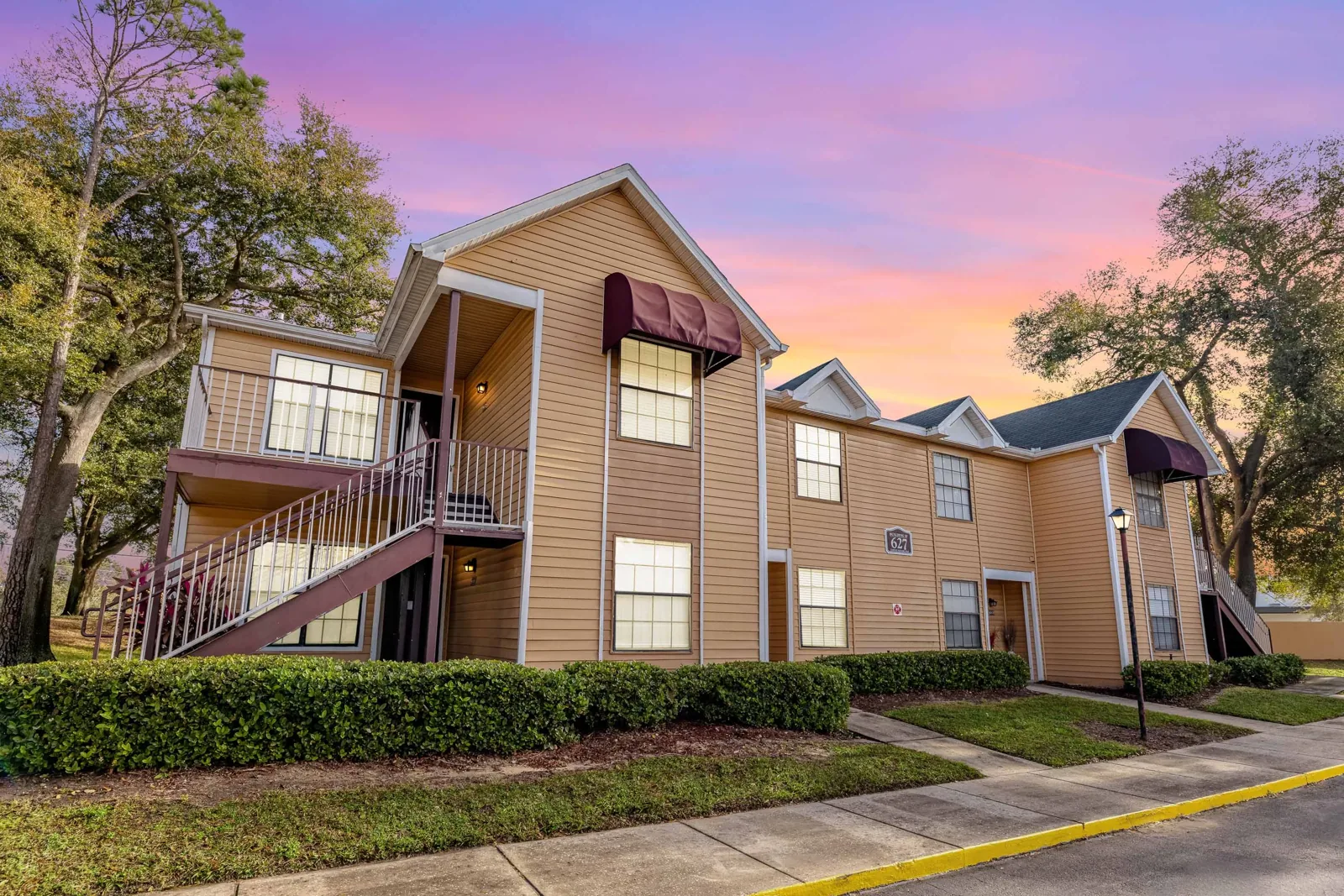
Apartment and Multifamily Roofing
Coordinate Abilene apartment roof repairs around resident notices, shared spaces, unit access, rooftop equipment, and phased work.
Learn more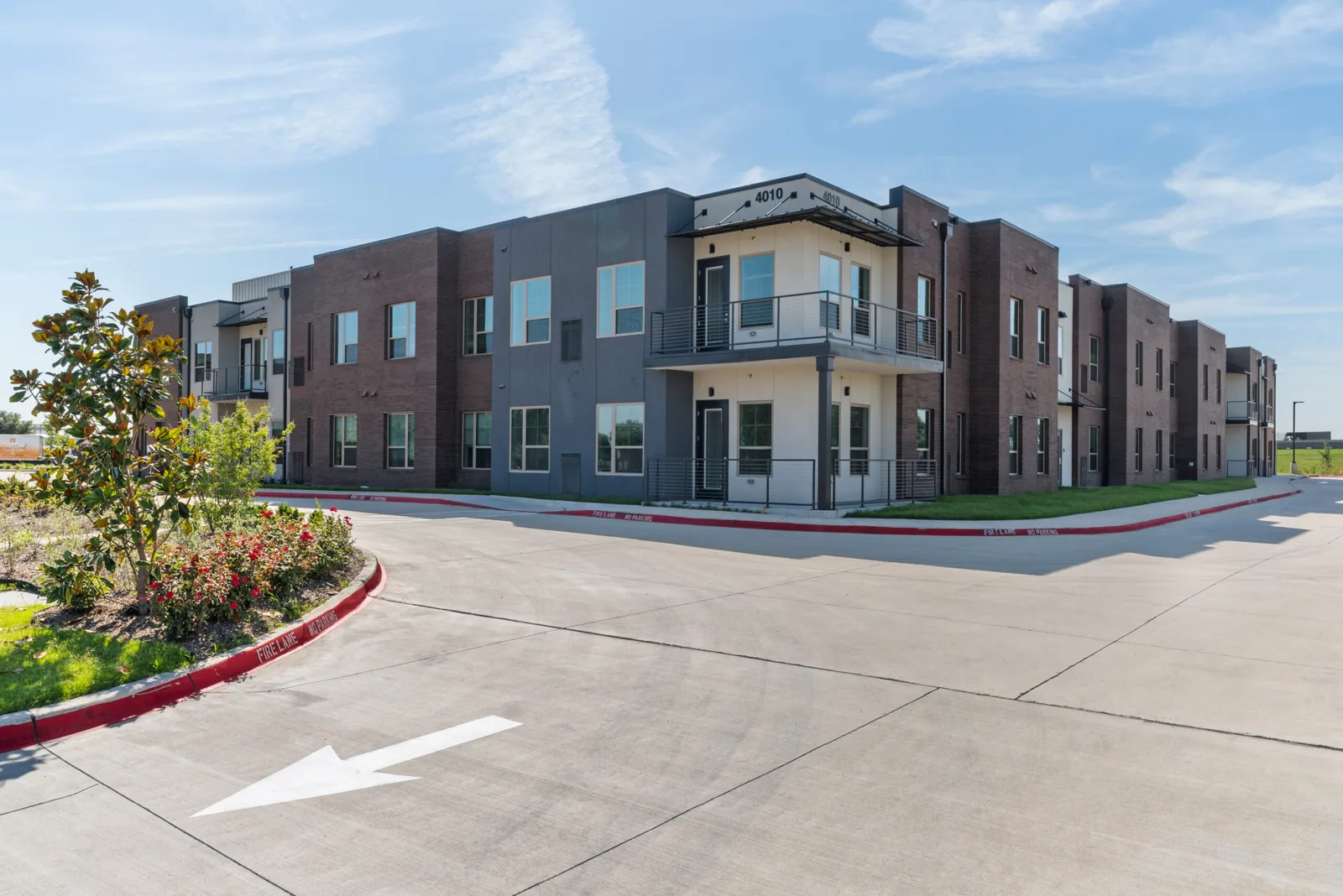
Senior Living Community Roofing
Plan Abilene senior living roof repairs around resident routines, accessible routes, care operations, equipment, and orderly closeout.
Learn more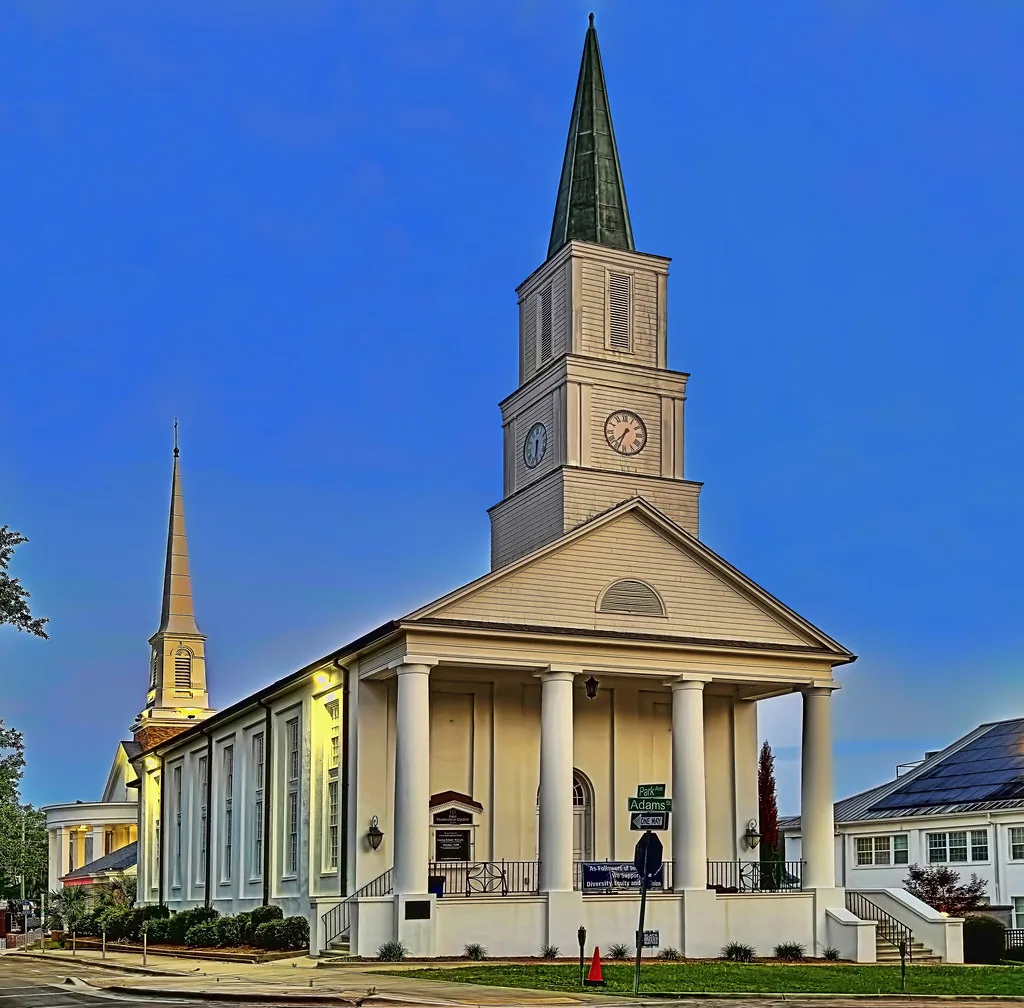
Church and House of Worship Roofing
Plan Abilene church roof repairs around worship schedules, sanctuary interiors, congregation access, steeples, and protected work at shift end.
Learn more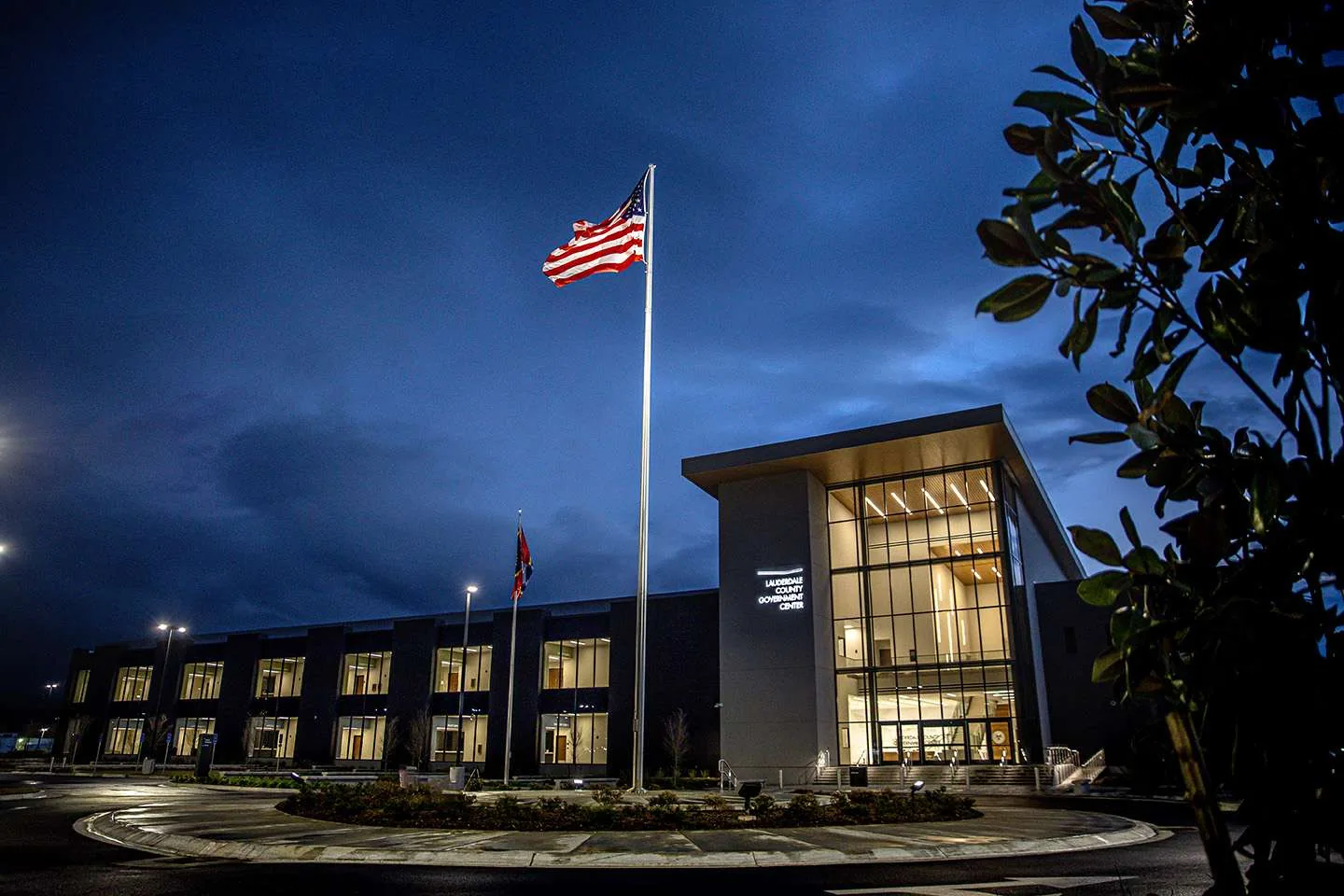
Plan Abilene government roof repairs around public access, procurement, occupied services, security rules, and clear project documentation.
Learn more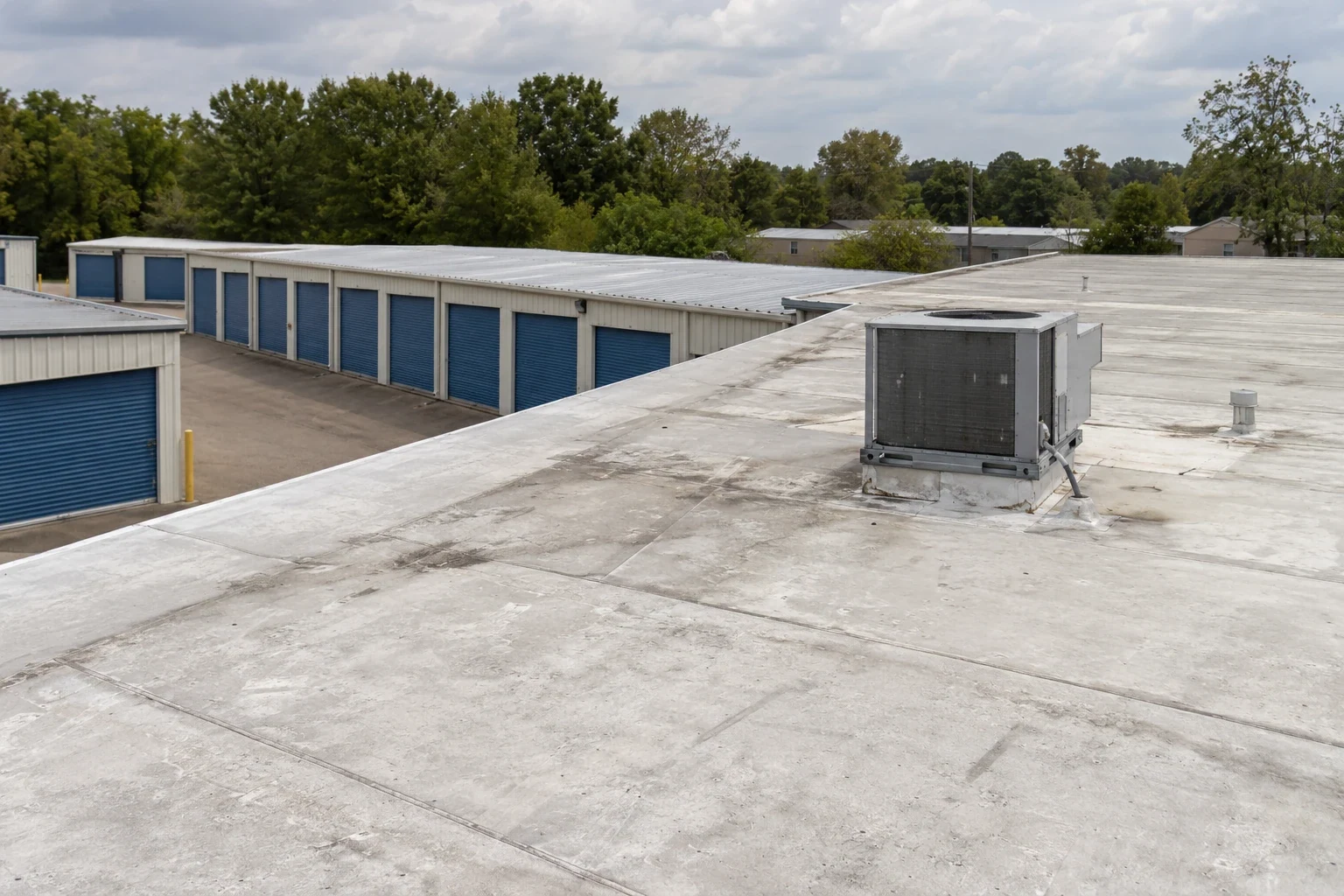
Plan Abilene self-storage roof repairs around tenant access, unit protection, gate schedules, drainage, and phased facility operations.
Learn more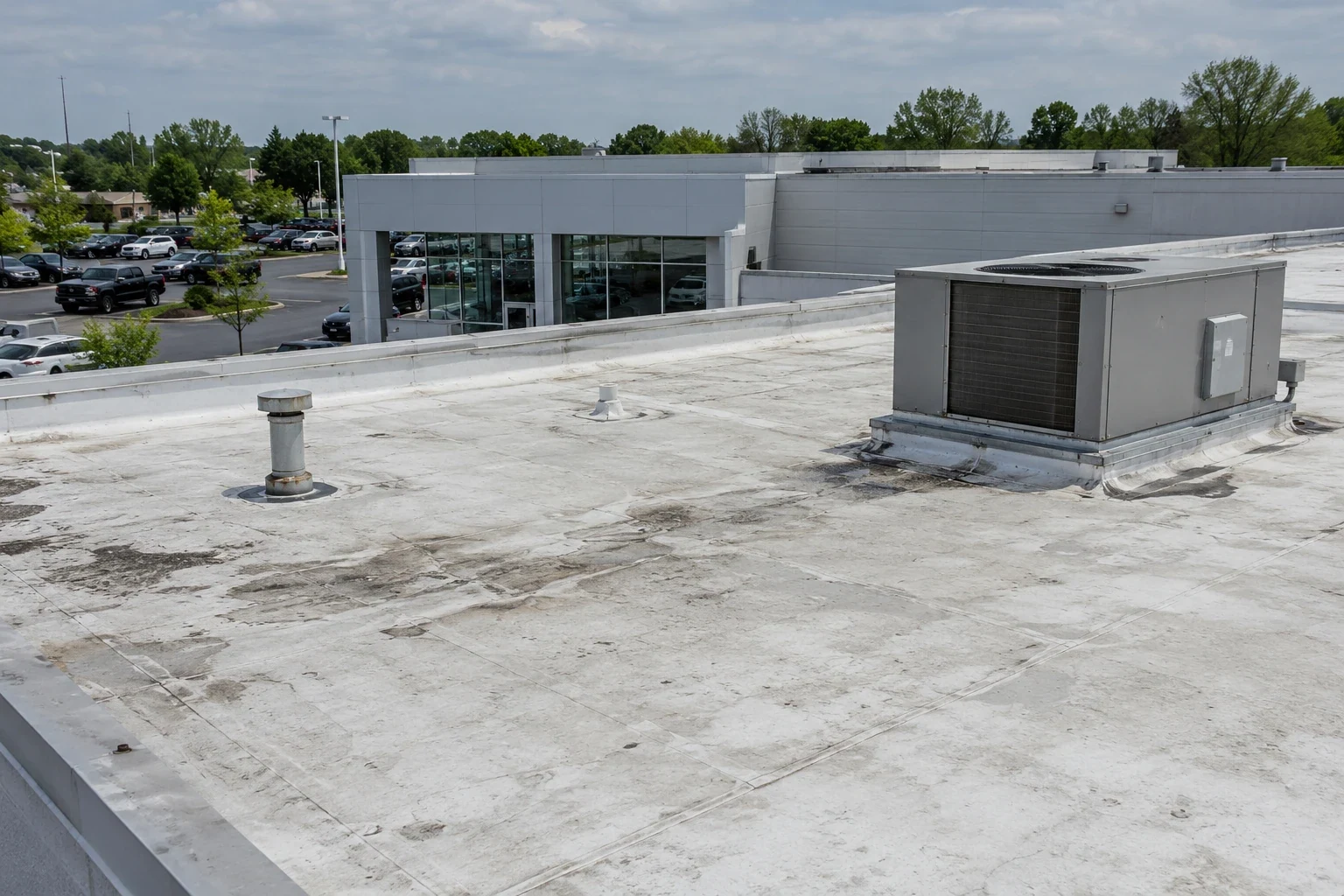
Coordinate Abilene dealership roof repairs around showroom hours, service bays, vehicle inventory, customer access, and deliveries.
Learn more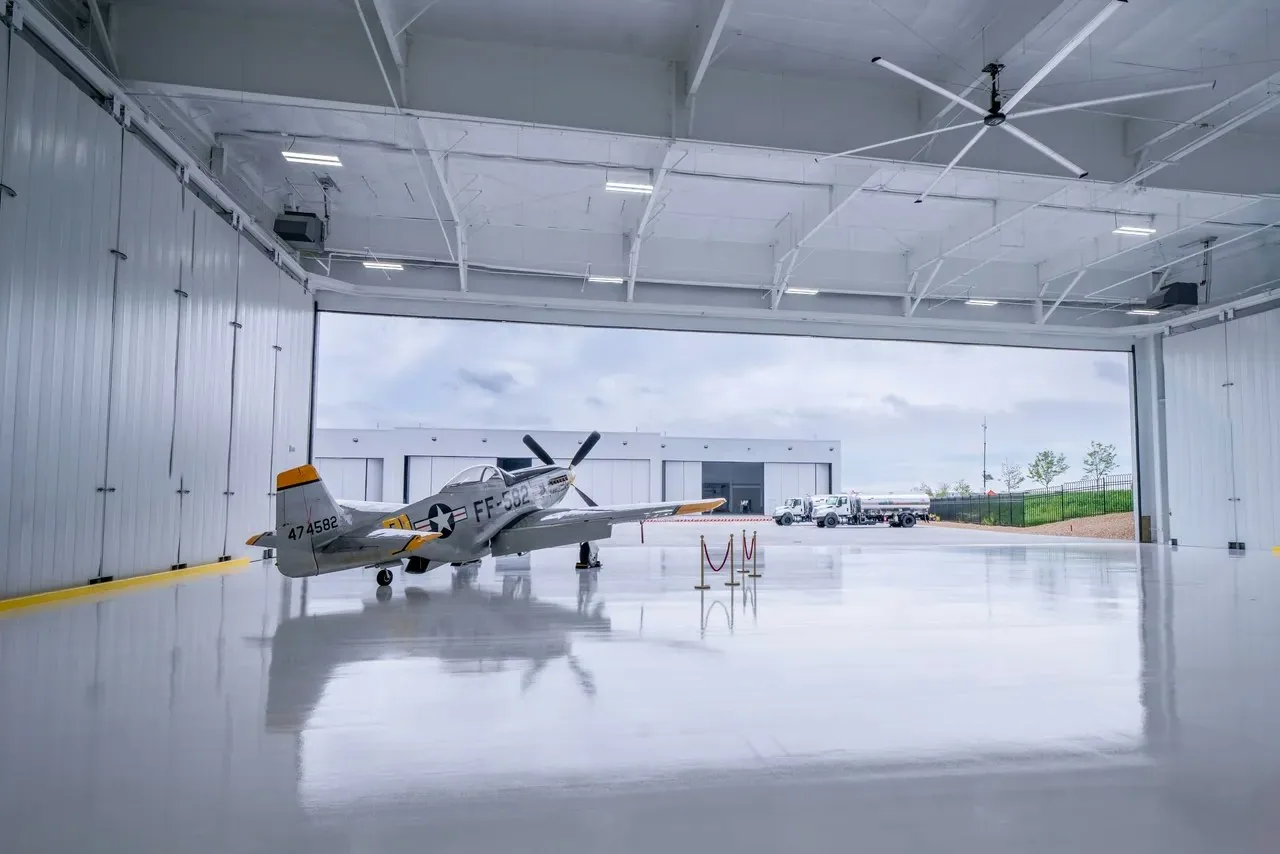
Aircraft Hangar and Aviation Building Roofing
Plan Abilene aviation roof repairs around hangar doors, aircraft clearance, maintenance schedules, secure access, and weather exposure.
Learn more
Flex and Light-Industrial Roofing
Plan Abilene flex-industrial roof repairs around tenant bays, equipment changes, loading access, shared operations, and defined shift-end closeout.
Learn more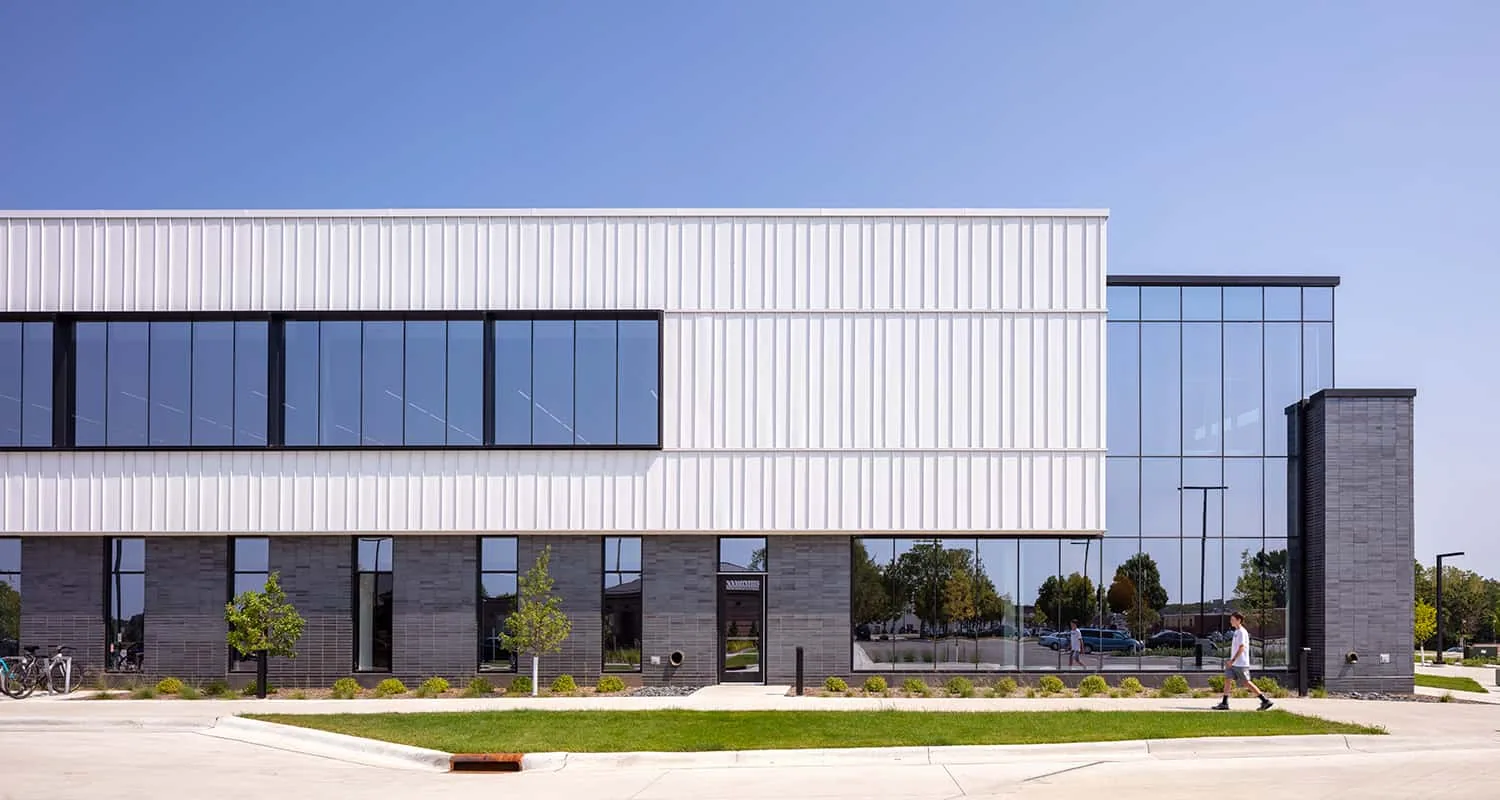
Fitness Center and Recreation Facility Roofing
Plan Abilene fitness-center roof repairs around member hours, locker rooms, equipment, indoor air systems, and a protected end-of-shift handoff.
Learn more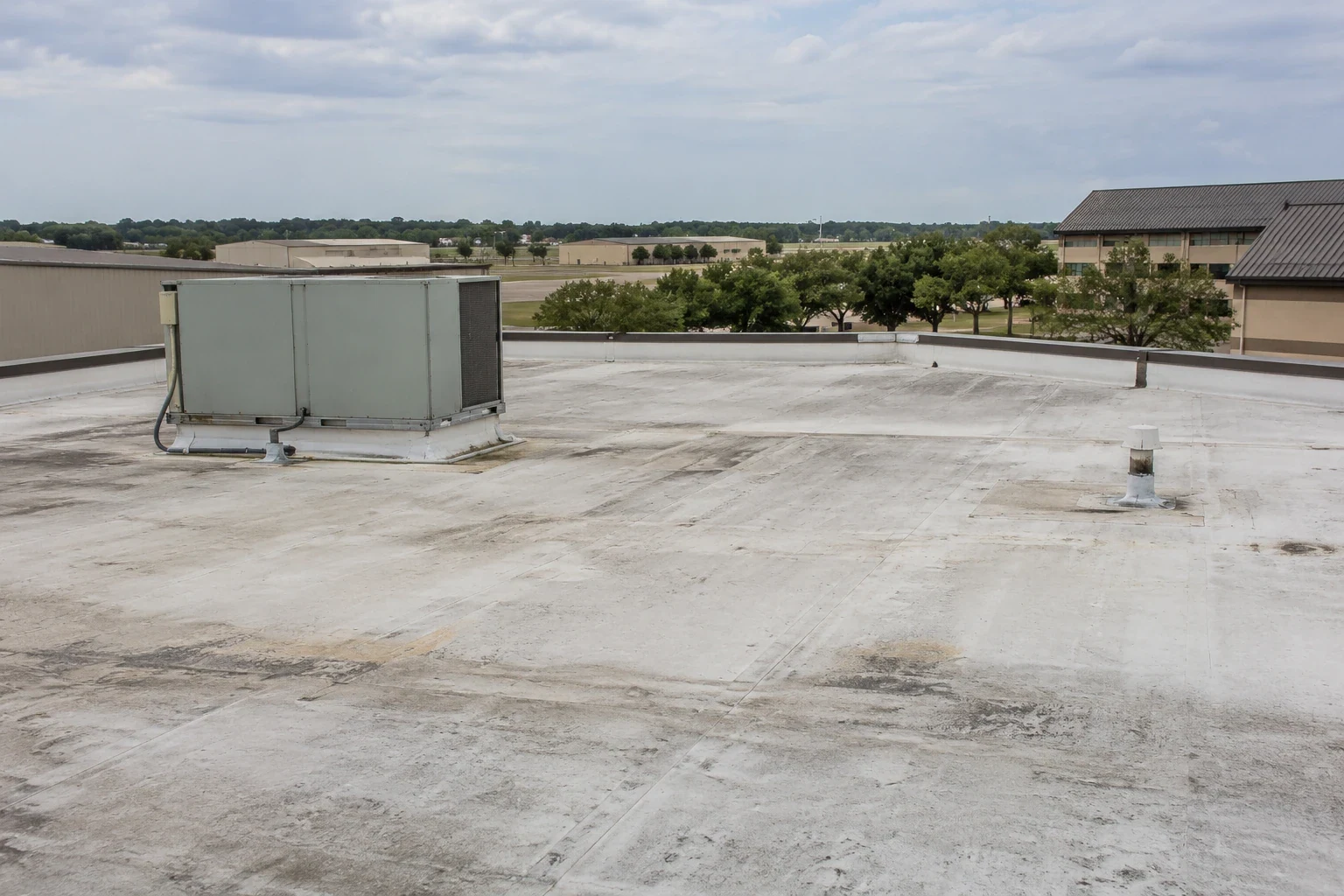
Plan Abilene Air Force facility roofing around installation access, mission buildings, procurement rules, restricted areas, and documented closeout.
Learn more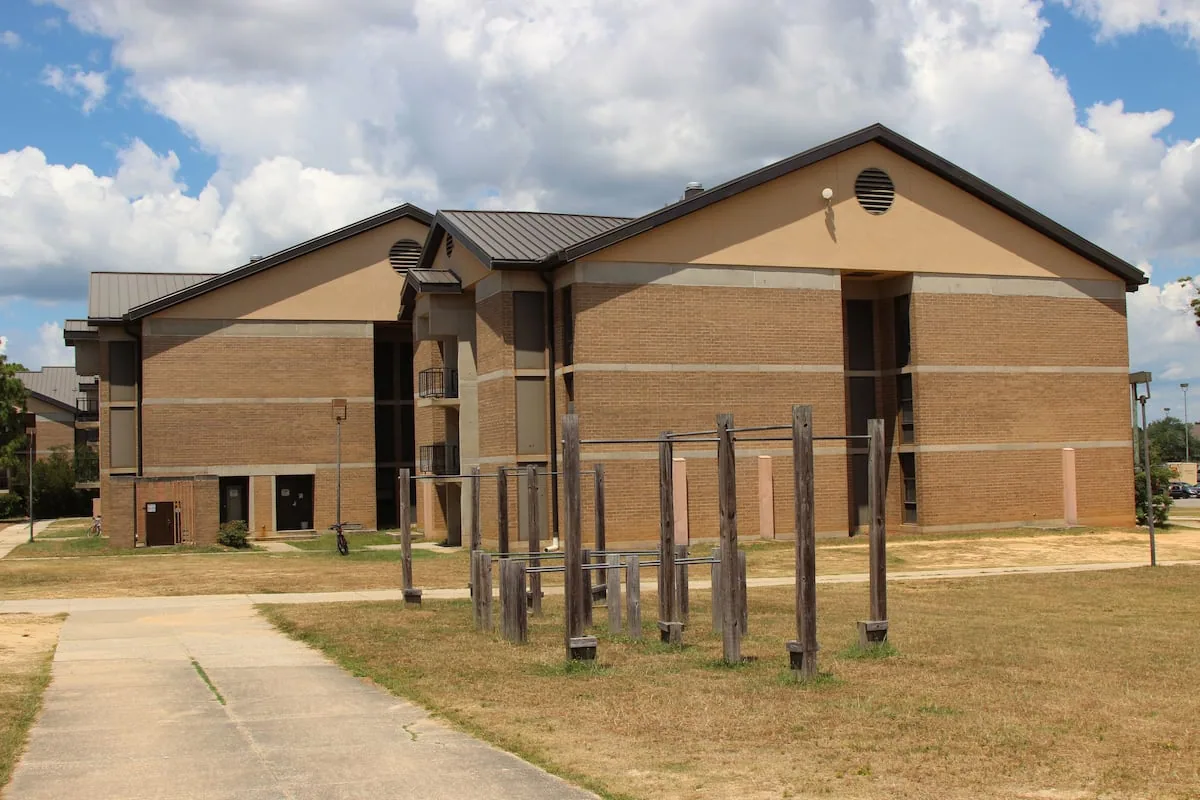
Military Barracks and Unaccompanied Housing Roofing
Coordinate Abilene military housing roof repairs around resident access, dorm operations, security controls, building protection, and closeout.
Learn more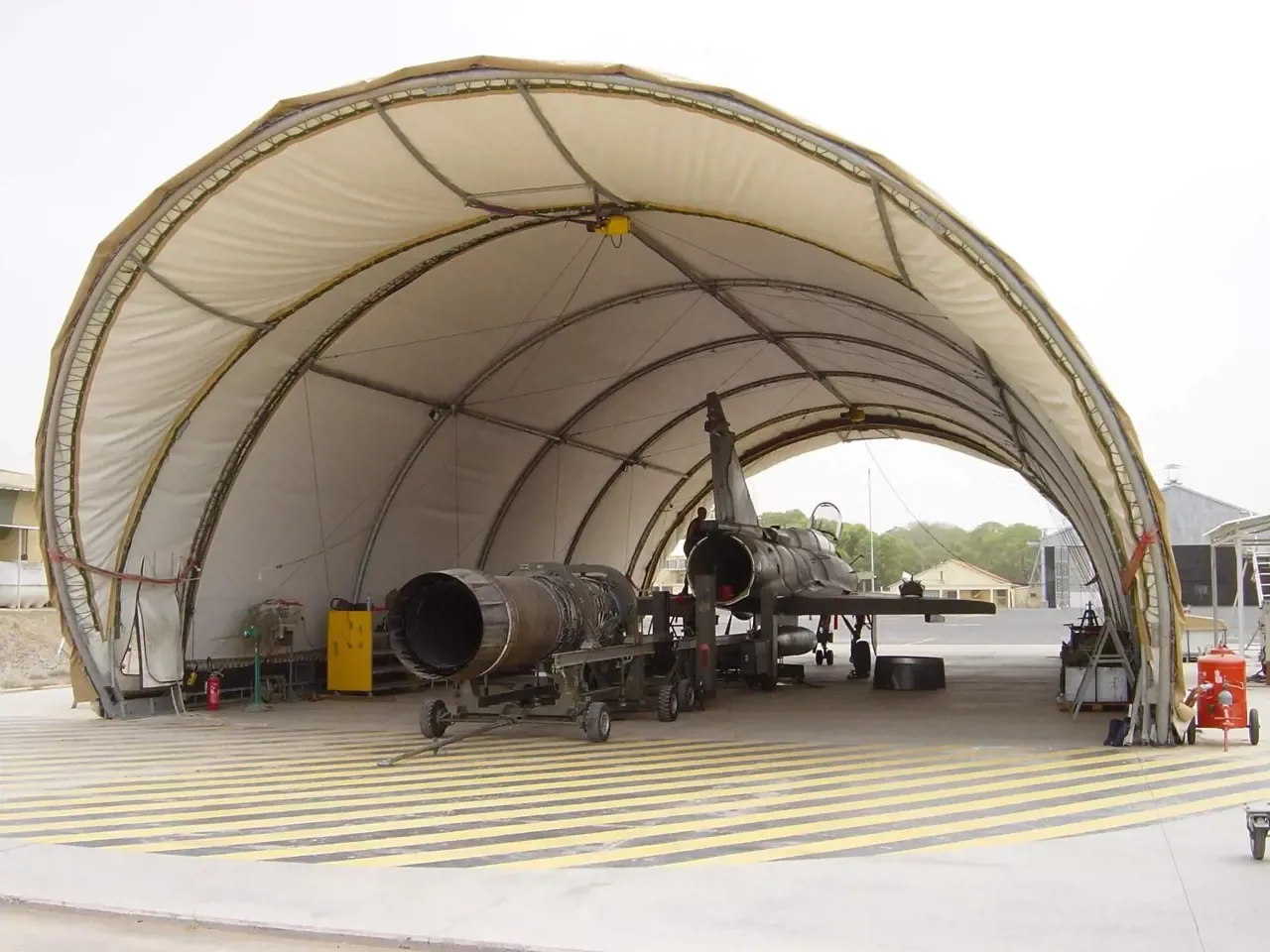
Military Hangar and Aircraft Maintenance Facility Roofing
Plan Abilene military hangar roof repairs around aircraft maintenance, door systems, installation access, mission schedules, and safe shift-end protection.
Learn moreStart with the building and the roof zone
Provide the address, property use, roof plan, leak history, access contact, and operating limits. We will inspect the defined area and tie findings to that facility’s record.
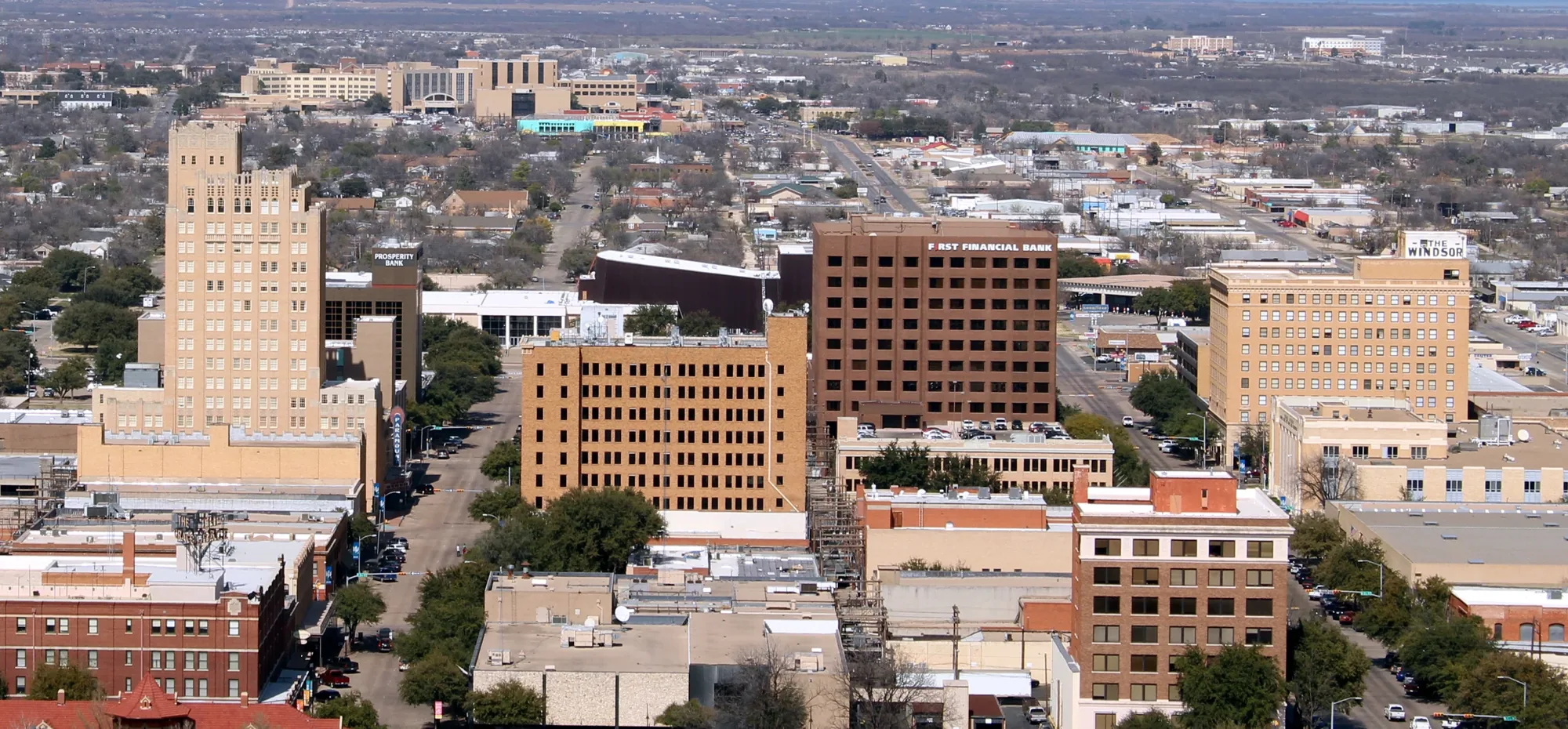
Property Types We Roof in Abilene
Plan around the work happening below
A warehouse roof or distribution center may require dock and vehicle coordination. A manufacturing plant can have process areas, ventilation, or equipment that shape inspection and close-in. A hospital and medical office each need facility-approved access and interior safeguards. At schools and colleges, the work window may depend on classes, events, or building use. The site contact defines the actual limits before work begins.
Abilene’s principal employers include Dyess AFB, Hendrick Health, and Abilene ISD. Five Points Business Park has industrial and distribution activity; downtown retains commercial and public-facing buildings. Each inspection still ties the building label to its roof plan and the conditions observed on that asset. Each inspection identifies the address, roof plan, and observed zone. A property-specific scope can then address a leak, maintenance item, planned reroof, or a test needed to confirm concealed conditions.
Tie recommendations to the assembly
Different building categories create different planning questions. School roofing needs a schedule that protects occupied areas and identifies who can release a roof zone. College and university facilities may include several named buildings, each with separate records. A shopping center can have multiple tenants and access contacts. A public building may require formal approvals and documentation. We keep each roof’s condition, photos, and scope tied to its own asset rather than generalizing from the property label. A hangar or military facility adds access and mission coordination, while an apartment roof affects residents and common areas. In each case, the owner’s operating requirements set protection and sequencing; the roof evidence sets the technical recommendation. The owner’s decision record should retain the inspection date and authorization.
Abilene recorded a 113°F high in 2024 and forty days at or above 100°F. Heat is a reason to inspect exposed laps, flashing, and sealant, not a diagnosis. The 2011 hail and rainfall history informs post-event checks; a property-specific inspection determines which details need work. If removal exposes wet insulation or a second layer, document the condition and pause at the agreed repair limit. Repair, recover, and replacement proposals should state the evidence, access needs, quantities, and weather window that shape the work.
Access plan
Building use changes the route to the roof and the consequence of interior water. Mark ladders, hatches, controlled rooms, loading areas, tenant entrances, and equipment paths. Identify where noise, dust, or a brief shutdown requires notice. The property contact confirms actual restrictions; a building category alone does not establish its access rules or installed roof.
Comparison basis
Compare roofs by assembly, condition, drainage, attachment, repair history, and exposed operations rather than by property label. A warehouse and a clinic can share a membrane but need different phasing. Keep each recommendation tied to inspection evidence and list concealed conditions that remain outside the tested area.
Commercial Roofing Questions
Does the property type determine which roof system is installed?
No. Building use informs access and operations, while records and field inspection establish the assembly and its condition.
Does building use set the inspection boundary?
No. The owner and inspector define the accessible roof zones, interior areas, equipment limits, and any test openings for that property.
What changes the work sequence in an occupied building?
Access hours, sensitive rooms, deliveries, shutdown approvals, weather, and how much roof can be closed in each shift.
Can a neighboring roof serve as a condition comparison?
It can offer context only. Confirm the subject building’s material, attachment, age records, and damage through its own inspection.
Get to Know Our Team
Contact Us About Your Commercial Roof
Send the building address and what you are seeing on the roof. We will call you back to set up a roof assessment.